

Phone Number

+86 0538 6368027

Aluminum Alloys

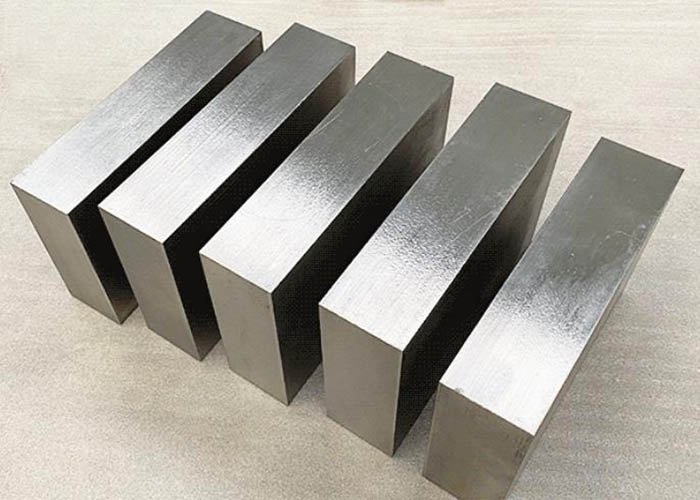
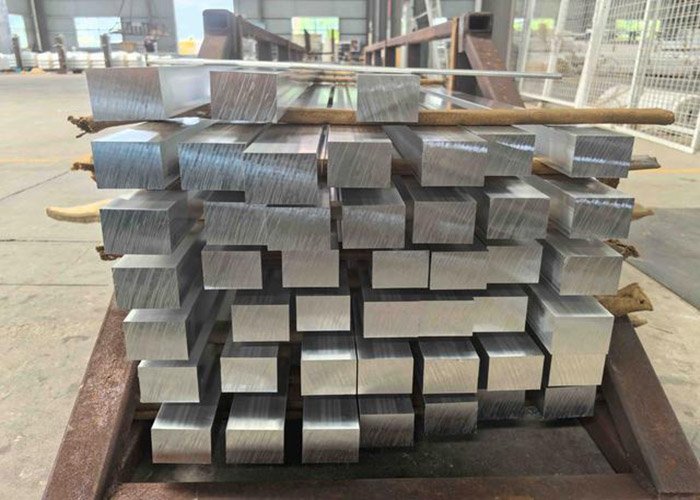
7075-t6 aluminum alloy block

Aluminum Alloy Products We Supply

At Tiptop Special Metals, we supply a range of aluminum alloy materials and semi-finished products, including bars, plates, forgings, and custom machined components designed for different engineering requirements.

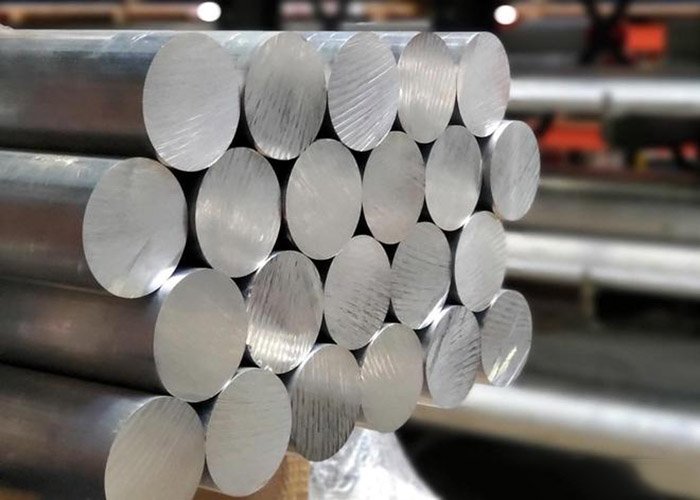
Aluminum Alloy Bars and Rods

Aluminum bars are commonly used for machining lightweight mechanical components, structural supports, and industrial equipment parts.

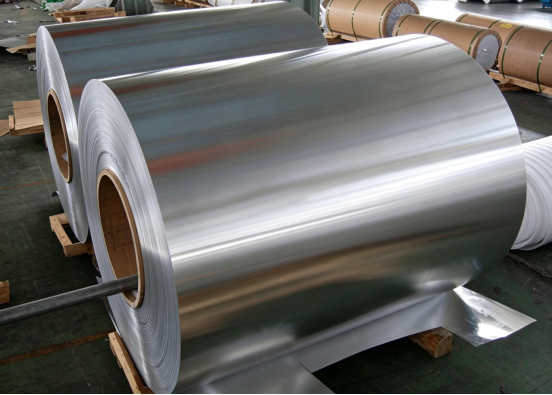
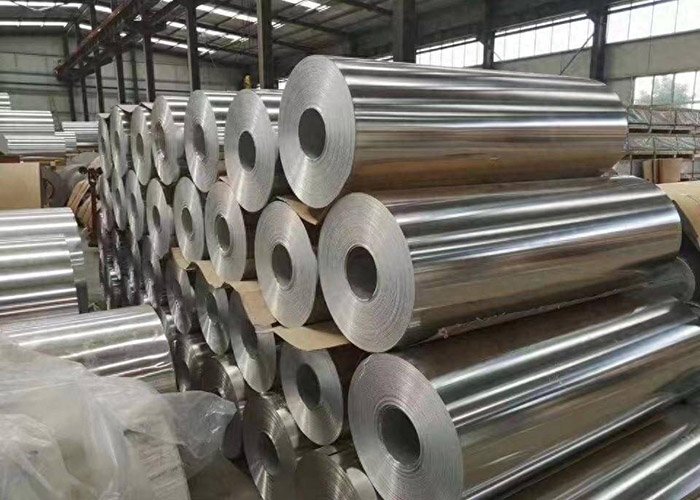
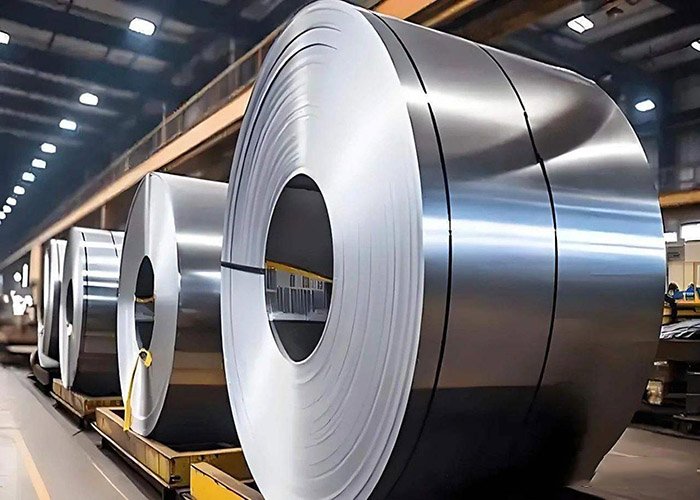
Aluminum Alloy Plates and Sheets

Aluminum plates are widely used in aerospace structures, transportation equipment, marine components, and industrial machinery.

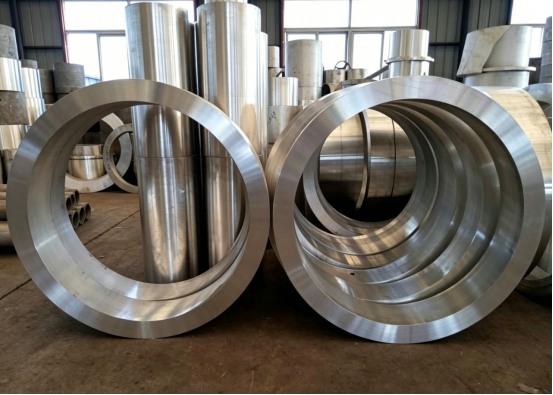
Aluminum Alloy Forgings

Forged aluminum components provide improved strength and structural integrity. Typical forged products include rings, discs, flanges, and mechanical parts used in demanding applications.

Aluminum Alloy Tubes

Aluminum tubes are used in heat exchangers, transportation systems, structural frames, and lightweight engineering equipment.

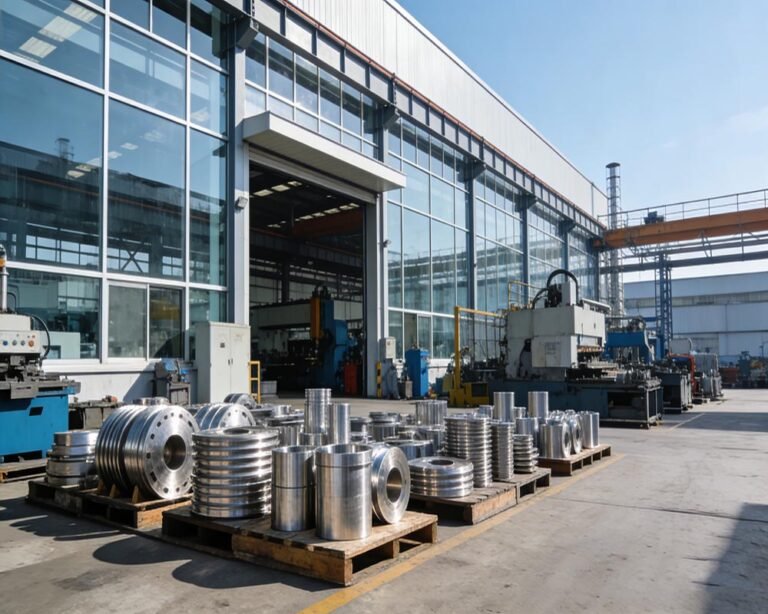
Custom Aluminum Alloy Components

We also provide custom aluminum alloy parts manufactured according to customer drawings or technical requirements, including forged and precision-machined components.


TIPTOP

Advantages of Aluminum Alloys

Aluminum alloys are lightweight engineering materials known for their excellent strength-to-weight ratio, corrosion resistance, and good formability. By adding alloying elements such as copper, magnesium, silicon, or zinc, aluminum can achieve different mechanical properties suitable for various industrial applications.

Instructions

1

Lightweight with High Strength

Aluminum alloys have a high strength-to-weight ratio, making them ideal for applications where weight reduction is important.

Aluminum Alloy Forgings
2

Excellent Corrosion Resistance

Many aluminum alloys naturally form a protective oxide layer that helps prevent corrosion in atmospheric and marine environments.

Aluminum Alloy
3

Good Machinability and Formability

Aluminum alloys are easy to machine, form, and fabricate, allowing manufacturers to produce complex components efficiently.

Custom Aluminum Alloy Components
4

Good Thermal and Electrical Conductivity

Aluminum alloys conduct heat and electricity effectively, making them useful in heat transfer equipment and electrical applications.

Aluminum Alloy Bars and Rods

Common Aluminum Alloy Grades

Different aluminum alloy grades are designed to provide specific mechanical properties, corrosion resistance, or fabrication performance.

1xxx Series: Commercially Pure Aluminum (Aluminum Content ≥99.00%)

Primarily composed of high-purity aluminum, this series exhibits excellent electrical and thermal conductivity, as well as good corrosion resistance. However, it has low strength and is typically strengthened through cold working.

  • 1050‌: Commonly used in extruded tubes for food and chemical industries, fireworks powder, etc.
  • 1060‌: Suitable for applications requiring high corrosion resistance and formability, such as chemical equipment
  • 1100‌: Used in deep-drawing or spinning of hollowware, heat exchangers, nameplates, etc.
  • 1350‌: Electrical wires, conductive strands, transformer strips
    This series is widely applied in scenarios where high strength is not required but excellent electrical and thermal conductivity is essential.

2xxx Series: Aluminum-Copper Alloys (Al-Cu)

Copper is the primary alloying element, providing high strength and good mechanical properties at elevated temperatures. However, corrosion resistance is relatively poor. Commonly used in aerospace structural components.

  • 2011‌: Screws and machined parts requiring excellent cutting performance
  • 2014‌: Applications requiring high strength and hardness, such as aircraft parts
  • 2024 (LY12)‌: Tensile strength up to 470 MPa, widely used in aircraft skins, spars, and other critical structures
    This series is primarily used in aerospace; surface cladding or coating is often required to improve corrosion resistance.

3xxx Series: Aluminum-Manganese Alloys (Al-Mn)

Also known as “rust-proof aluminum,” this series offers moderate strength, excellent formability and weldability, and good corrosion resistance—suitable for humid environments.

  • 3003‌: General-purpose alloy used in cookware, air conditioning piping, storage tanks
  • 3105‌: Roofing panels, structural components in construction
  • 3A21‌: Marine parts, fuel tanks, beverage cans, etc.
    Widely used in household appliances, transportation, and construction industries.

5xxx Series: Aluminum-Magnesium Alloys (Al-Mg)

Magnesium is the main alloying element, providing higher strength and excellent resistance to seawater corrosion. Cannot be strengthened by heat treatment; strength is increased through cold working.

  • 5052‌: Representative medium-strength alloy, used in ships, automotive fuel tanks, electronic enclosures
  • 5083‌: Standard material in shipbuilding, suitable for hull structures and pressure vessels
  • 5456‌: High-magnesium alloy used in high-strength welded structures
    Particularly suitable for marine engineering and chemical environments.

6xxx Series: Aluminum-Magnesium-Silicon Alloys (Al-Mg-Si)

Offers a balanced combination of strength, workability, weldability, and corrosion resistance. One of the most commonly used heat-treatable alloys in construction and transportation.

  • 6061‌: Highly versatile; after T6 treatment, tensile strength reaches 310 MPa—used in aircraft ribs, automotive structures, bicycle frames
  • 6063‌: Easy to extrude, excellent surface finish, widely used in architectural windows, doors, and curtain walls
  • 6082‌: Commonly used in Europe, similar performance to 6061, applied in rail vehicle structures
    This series is among the most widely used structural aluminum alloys today.

7xxx Series: Aluminum-Zinc-Magnesium-Copper Alloys (Al-Zn-Mg-Cu)

Known as super-hard aluminum alloys, they achieve extremely high strength after heat treatment—comparable to or exceeding some steels. Mainly used in aerospace and high-performance sports equipment.

  • 7075‌: Tensile strength over 570 MPa, used in aircraft main beams, missile casings, racing components
  • 7050‌: Improved version with better stress-corrosion resistance, used in large aircraft structures
  • 7A04 (LC4)‌: Domestic super-hard aluminum, used in aircraft landing gear, high-strength connectors
    Note: relatively poor corrosion resistance—surface protection is often required.

Industries That Use Aluminum Alloys

aluminum alloys are widely used in industries such as aerospace, transportation, marine engineering, electronics, and industrial manufacturing.

Frequently Asked Questions About Nickel-Based Alloysum Alloys

1

Are aluminum alloys strong enough for structural applications?

Are aluminum alloys strong enough for structural applications?

2

Are aluminum alloys strong enough for structural applications?

Aluminum alloys are used in many industries including aerospace, transportation, marine engineering, electronics, and industrial manufacturing. They are especially useful in applications where weight reduction and corrosion resistance are important.

3

Can aluminum alloys be forged?

Yes. Aluminum alloys can be forged into various shapes including rings, discs, and mechanical components. Forging improves the strength and structural integrity of aluminum parts.

Contact Us for Aluminum Alloy Materials

Phone:+86 0538 6368027
Email:sales@tiptopmetal.com
If you are looking for aluminum alloy materials or custom forged components, our team can help you choose the appropriate alloy grade for your application.
We support customers with:Aluminum alloy bars, plates, and forgings,Custom forging and machining services,Material selection guidance,Global supply capability Feel free to contact us with your drawings or technical requirements, and we will provide suitable aluminum alloy solutions for your project.