
Phone Number

+86 0538 6368027

Zirconium Alloys

zirconium alloy fittings supplier

Zirconium Alloy Products We Supply

At Tiptop Special Metals, we supply a range of zirconium alloy materials and semi-finished products, including bars, plates, forgings, tubes, and custom machined components designed for specialized industrial applications.

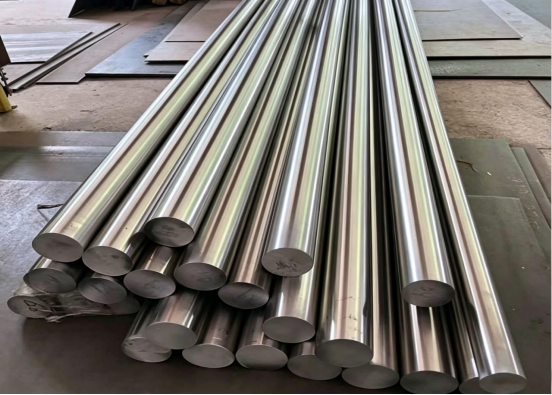
Zirconium Alloy Bars and Rods

Zirconium bars are widely used for machining corrosion-resistant components such as valves, pumps, fasteners, and mechanical parts used in chemical environments.

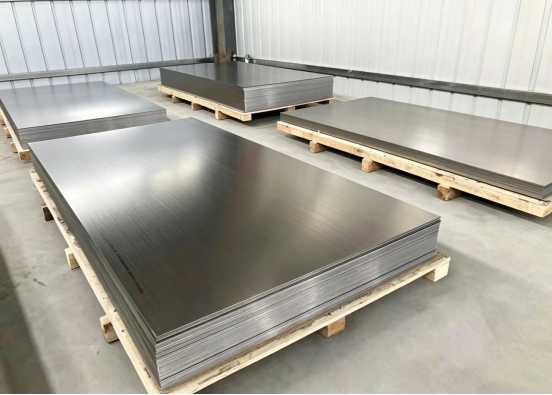
Zirconium Alloy Plates and Sheets

Zirconium plates are commonly used in chemical reactors, heat exchangers, pressure vessels, and processing equipment exposed to corrosive media.

Zirconium Alloy Forgings

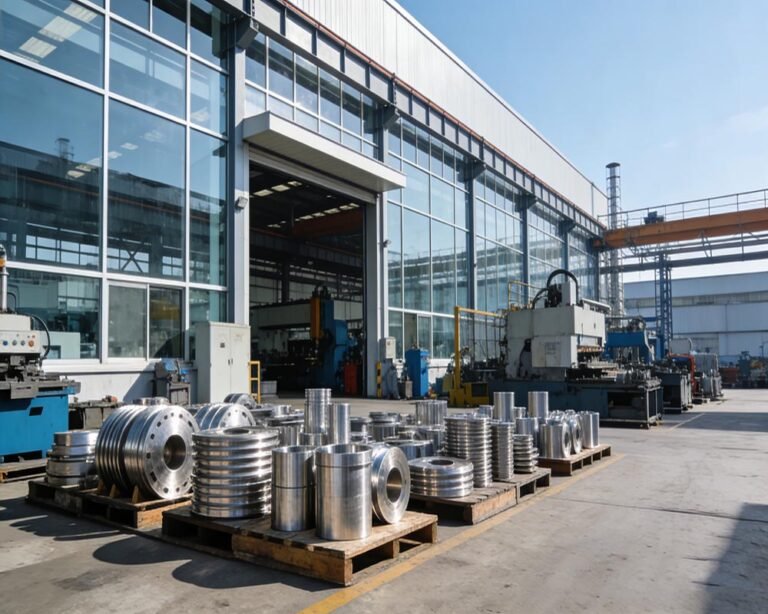
Forged zirconium components provide improved structural strength and reliability. Typical forged products include rings, discs, flanges, and shafts used in industrial equipment.

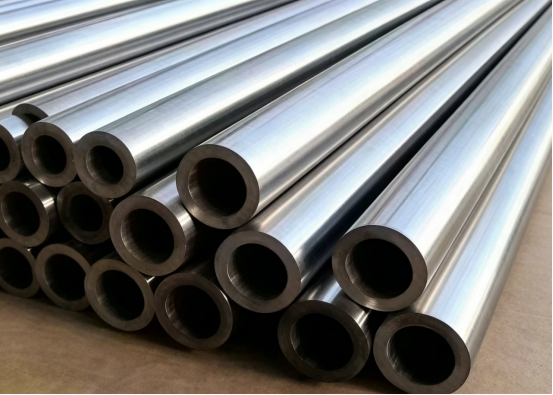
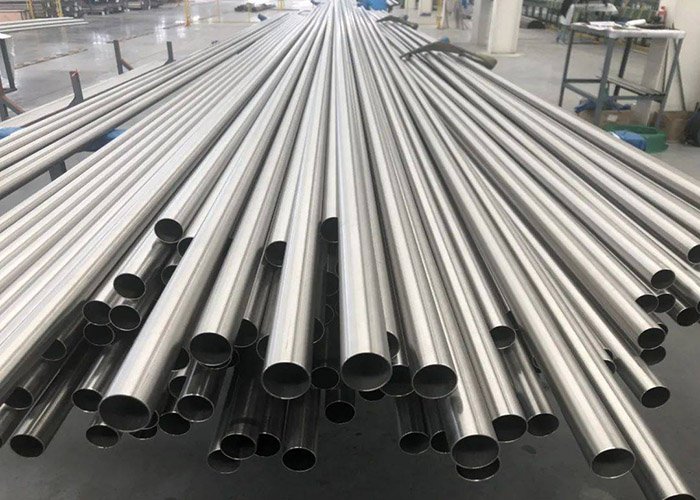
Zirconium Alloy Tubes

Zirconium tubes are widely used in heat exchanger systems, chemical pipelines, and nuclear applications where corrosion resistance is critical.

Custom Zirconium Alloy Components

We also supply customized zirconium alloy parts manufactured according to customer drawings or technical specifications.

TIPTOP

Advantages of Zirconium Alloys

Zirconium alloys are high-performance materials known for their excellent corrosion resistance, particularly in aggressive chemical environments. These alloys also offer good mechanical properties and stability under high temperatures, making them suitable for demanding industrial applications.

Instructions

1

Outstanding Corrosion Resistance

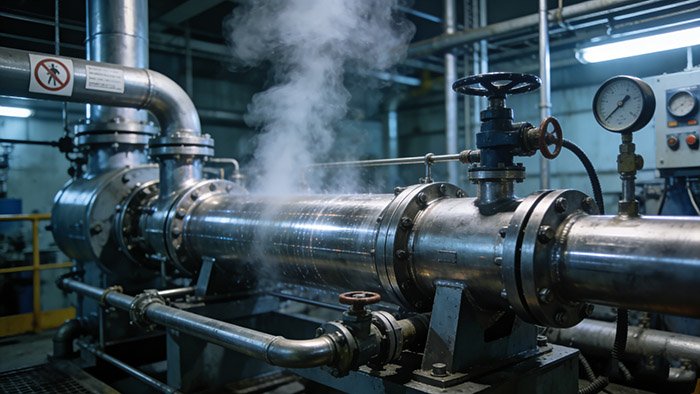
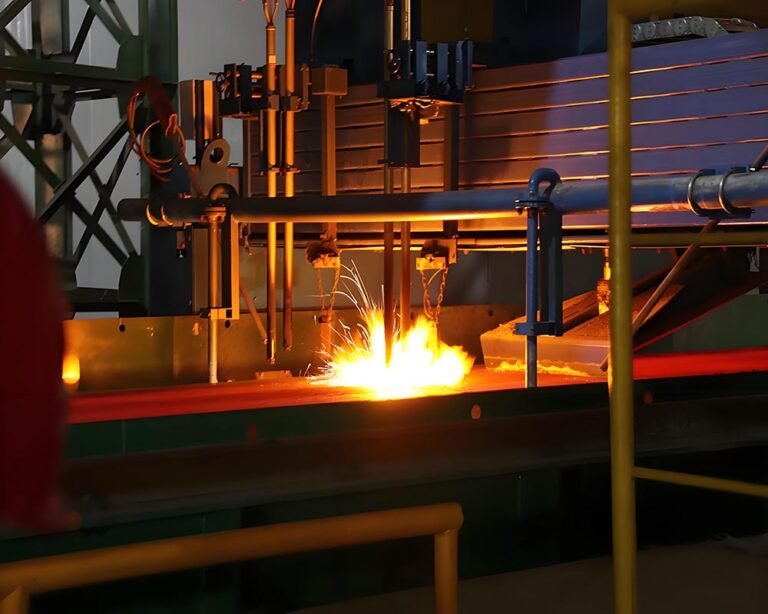
Zirconium alloys are known for their exceptional resistance to strong acids such as hydrochloric acid and sulfuric acid, making them ideal for chemical processing equipment.

Excellent High Temperature Resistance
2

Good High Temperature Performance

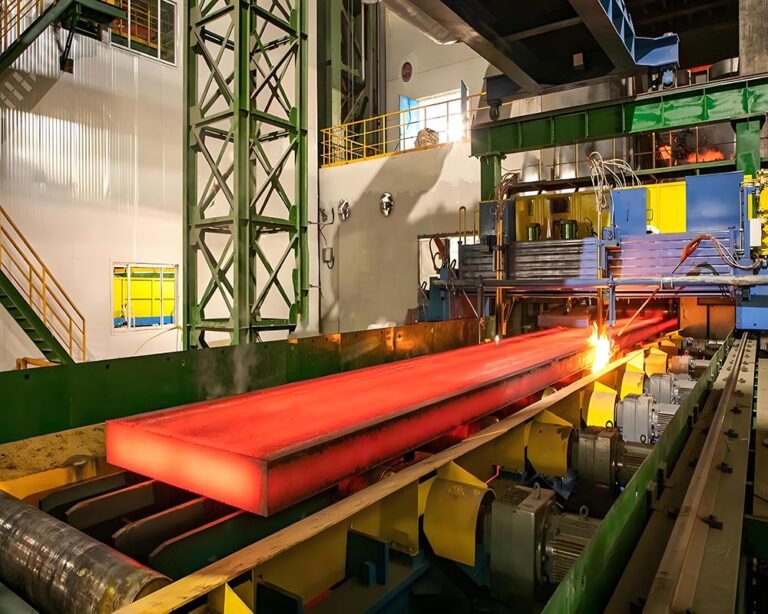
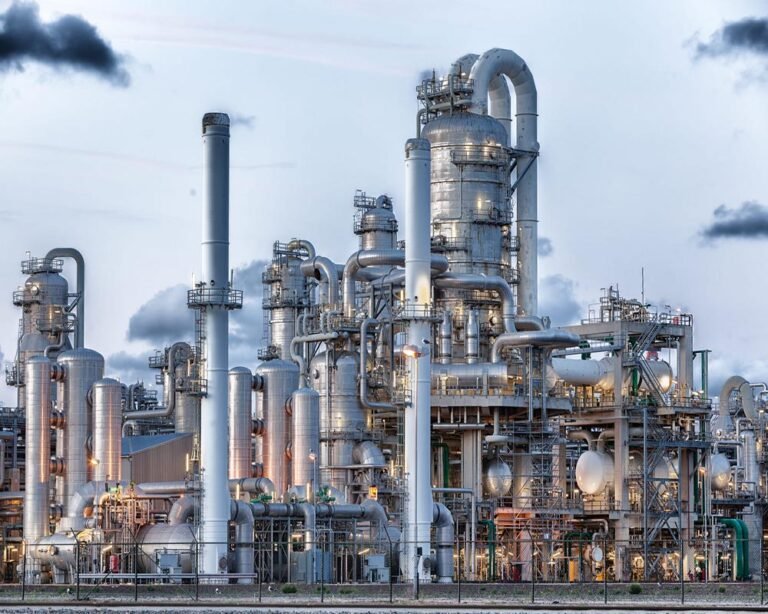
Zirconium alloys are known for their exceptional resistance to strong acids such as hydrochloric acid and sulfuric acid, making them ideal for chemical processing equipment.

Strong Corrosion and Oxidation Resistance
3

Excellent Chemical Stability

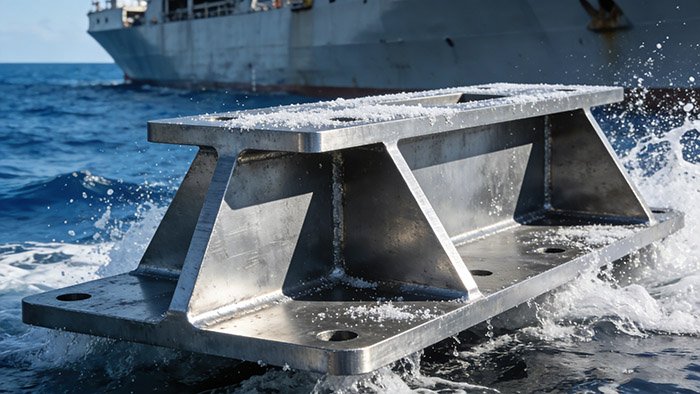
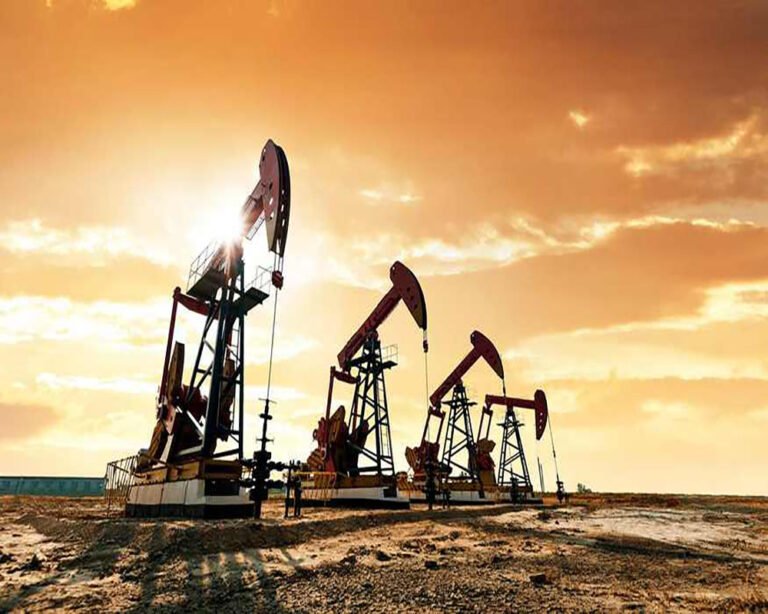
These alloys maintain stable performance in highly reactive chemical environments, helping extend the service life of industrial equipment.

Special metal production line
4

Low Neutron Absorption

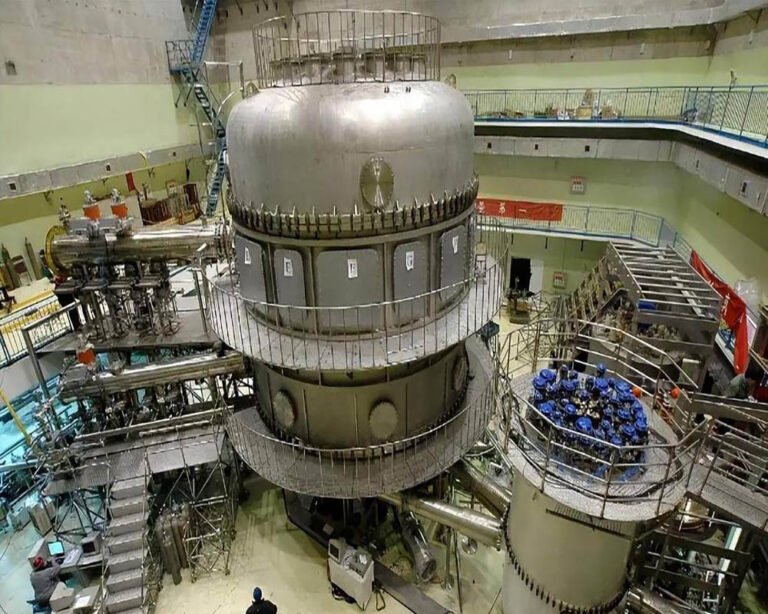
One of the unique characteristics of zirconium alloys is their low neutron absorption cross-section, which makes them suitable for nuclear reactor components.

Special metal production line

Common Zirconium Alloy Grades

Different zirconium grades are designed for specific corrosion resistance and industrial performance requirements.

Commercially Pure Zirconium Series (High-Purity Zirconium)

These alloys feature high zirconium content and extremely low impurities, making them suitable for chemical and nuclear reactor environments where material purity is critical.

  • R60700 (Zr-1)‌: Commercially pure zirconium with Zr + Hf ≥ 99.2%, offering good workability and corrosion resistance—commonly used in chemical vessels and heat exchangers
  • R60702 (Zr-2 or Zr-3)‌: A commonly used grade in the nuclear industry, corresponding to the international standard Zr-4. Its main composition is Zr-Sn-Fe-Cr, exhibiting excellent corrosion resistance and neutron economy. Widely used in fuel cladding tubes for light water reactors. Domestically produced Zr-702 tubing is fully equivalent in performance to the ASTM B350-specified Zr-4 alloy
  • Zr-0‌: Commonly found in zirconium strip products, compliant with the YS/T 1446-2021 standard—suitable for the production of thin sheets and strips in the annealed condition

This series is primarily used in nuclear reactors and highly corrosive acidic/alkaline environments where material stability is essential.

Zirconium-Tin Alloys (Zr-Sn)

Alloys enhanced with tin, iron, and chromium to improve strength and thermal conductivity of the protective oxide layer—key structural materials for pressurized water reactors (PWR) and boiling water reactors (BWR).

  • Zr-2‌: Used in boiling water reactors (BWR), containing Sn, Fe, Cr, which enhances corrosion resistance in high-temperature water environments
  • Zr-4‌: The mainstream cladding material for pressurized water reactors (PWR), with a composition of Zr-1.5Sn-0.2Fe-0.1Cr—exhibiting excellent high-temperature stability and neutron transparency
  • UNS R60802 / R60804‌: International designations corresponding to Zr-2 and Zr-4, widely used in the manufacturing of nuclear-grade zirconium alloy tubes

Zr-4 is regarded as one of the representative materials of the “first metal of the atomic age.”

Zirconium-Niobium Alloys (Zr-Nb)

The addition of niobium significantly improves corrosion resistance and mechanical properties, especially under high-temperature and high-pressure conditions.

  • R60705 (Zr-5)‌: Composed of Zr-2.5%Nb, with Zr + Hf ≥ 95.5%, offering excellent mechanical properties and corrosion resistance—suitable for various industrial applications, including reactor pressure tubes and chemical equipment
  • Zr-2.5Nb‌: A typical representative of the Zr-Nb system. When niobium reaches the solid solubility limit in the zirconium crystal structure, the alloy achieves optimal corrosion resistance—widely used in pressure tubes for CANDU heavy water reactors
  • E110 (H-1)‌: A Soviet-developed Zr-1%Nb alloy used as cladding material in water-cooled power reactors, officially designated as E110
  • E125‌: An evolution of E110, with a composition of Zr-2.5%Nb, designated under ASTM as R60901 and R60904

Zirconium-niobium alloys hold a significant position in the nuclear industry, particularly suitable for long-term service in high-temperature and high-pressure components.

Other Special Zirconium Alloys

  • ZIRLO™ Alloy‌: Nominal composition of Zr-1%Sn-1%Nb-0.1%Fe, developed by Westinghouse for advanced pressurized water reactors—exhibits lower hydrogen pickup and superior irradiation growth resistance
  • ZR704‌: Note: Some websites incorrectly classify ZR704 as a zirconium alloy. In fact, this designation typically refers to electric heating alloys or stainless steels under the German DIN standard and is unrelated to zirconium alloys—caution is advised in identification
  • Ferrozirconium (Fe-Zr)‌: Contains 15–45% Zr, used as a deoxidizer and grain refiner in steelmaking—improves toughness and wear resistance of steel

Industries That Use Zirconium Alloys

Because zirconium forms a highly protective oxide layer on its surface, zirconium alloys perform exceptionally well in environments where strong acids, chemicals, and high temperatures are present. As a result, they are widely used in industries such as chemical processing, nuclear energy, aerospace, and marine engineering.

Frequently Asked Questions About Zirconium Alloys

1

What are zirconium alloys used for?

Zirconium alloys are mainly used in chemical processing equipment, nuclear reactors, aerospace components, and marine systems where strong corrosion resistance is required.

2

Why are zirconium alloys used in nuclear reactors?

Zirconium alloys have a very low neutron absorption cross-section, which allows nuclear reactions to occur efficiently while maintaining structural stability in reactor environments.

3

Are zirconium alloys corrosion resistant?

Yes. Zirconium alloys are highly resistant to corrosion in strong acids and other aggressive chemical environments, making them ideal for chemical processing equipment.

4

What is the most common zirconium alloy?

Zirconium 702 is one of the most commonly used grades due to its excellent corrosion resistance and reliable mechanical properties.

Contact Us for Zirconium Alloy Materials

Phone:+86 0538 6368027
Email:sales@tiptopmetal.com
If you are looking for zirconium alloy materials or custom components, our team can support your project with suitable material solutions.
We provide:Zirconium alloy bars, plates, and forgings,Custom machining and forging services,Material grade selection support,Global supply capability Feel free to contact us with your drawings or specifications, and we will help you find the right zirconium alloy material for your application.