Phone Number

+86 0538 6368027

Dual-sided stainless steel

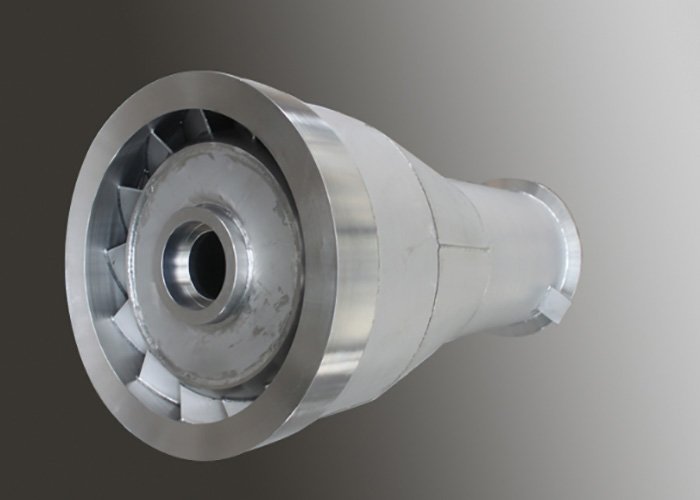
Duplex Stainless Steel Guide Vane

Duplex Stainless Steel

Duplex stainless steels are widely used in various product forms, including bars, plates, pipes, forgings, and customized components designed for high-performance industrial environments.

Duplex Stainless Steel Bars

Duplex stainless steel bars are commonly used for machining mechanical components such as shafts, fasteners, pump parts, and valve components.

Duplex Stainless Steel Plates and Sheets

Plates and sheets are widely used in pressure vessels, storage tanks, structural equipment, and industrial processing systems.

Duplex Stainless Steel Pipes and Tubes

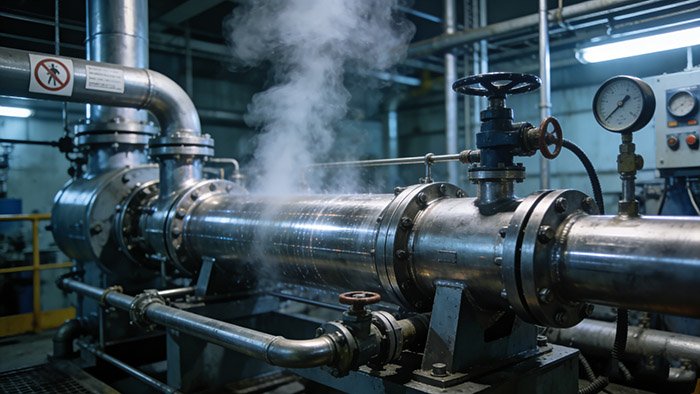
Duplex stainless steel pipes are frequently used in offshore pipelines, chemical processing equipment, and seawater handling systems due to their corrosion resistance.

Duplex Stainless Steel Forgings

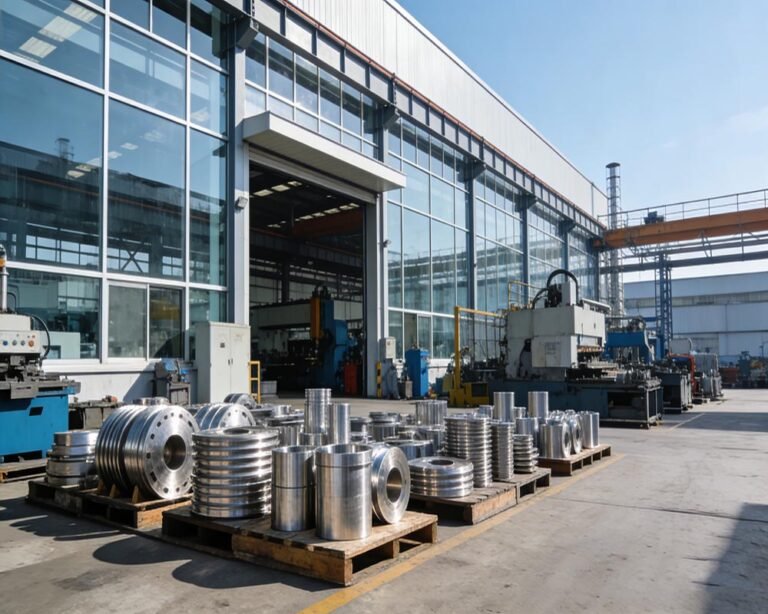
Forged duplex stainless steel components offer enhanced mechanical strength and reliability. Typical forged products include rings, flanges, discs, and heavy-duty industrial parts.

Custom Duplex Stainless Steel Components

We also supply customized duplex stainless steel parts manufactured according to customer drawings or technical specifications.


TIPTOP

Advantages of Duplex Stainless Steel

Duplex stainless steel is a family of stainless steels that combines the microstructures of both austenitic and ferritic stainless steels. This dual-phase structure provides a unique combination of high strength, excellent corrosion resistance, and improved resistance to stress corrosion cracking.

Instructions

1

High Mechanical Strength

Duplex stainless steels provide nearly twice the yield strength of common austenitic stainless steels, allowing for lighter and more efficient structural designs.

Excellent High Temperature Resistance
2

Excellent Corrosion Resistance

These alloys provide strong resistance to pitting corrosion and crevice corrosion, particularly in chloride-rich environments.

Strong Corrosion and Oxidation Resistance
3

Resistance to Stress Corrosion Cracking

Duplex stainless steels are highly resistant to stress corrosion cracking, which can be a significant issue in many industrial environments.

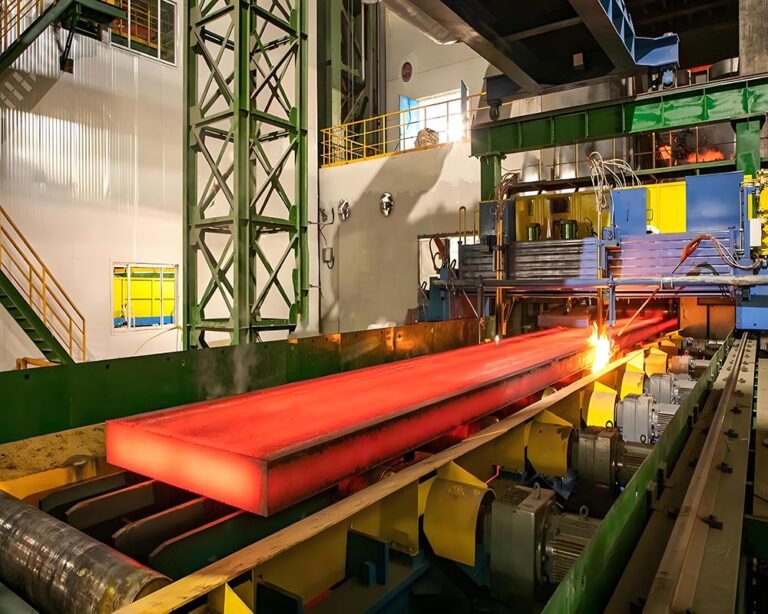
Special metal production line
4

Good Weldability

Modern duplex stainless steels offer good weldability when appropriate welding procedures are followed.

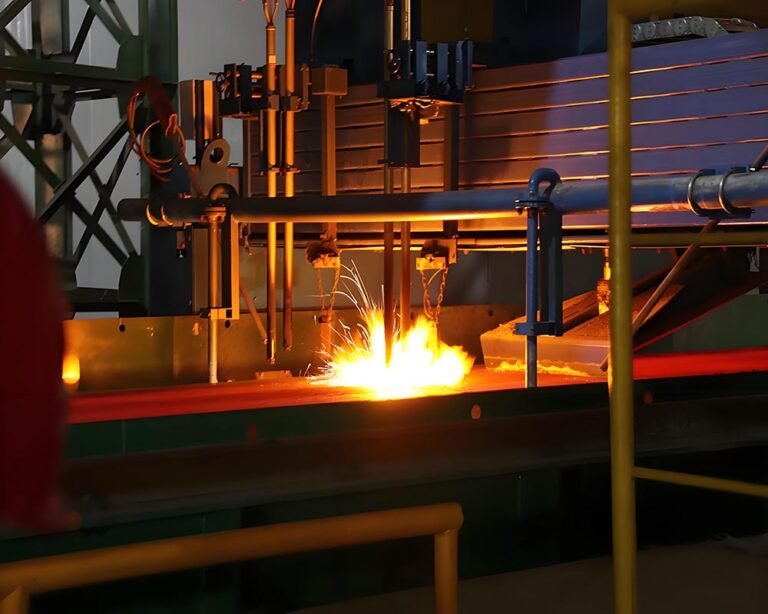
Special metal production line
5

Cost Efficiency

Because duplex stainless steels combine high strength with good corrosion resistance, they can sometimes reduce material thickness and overall project costs.

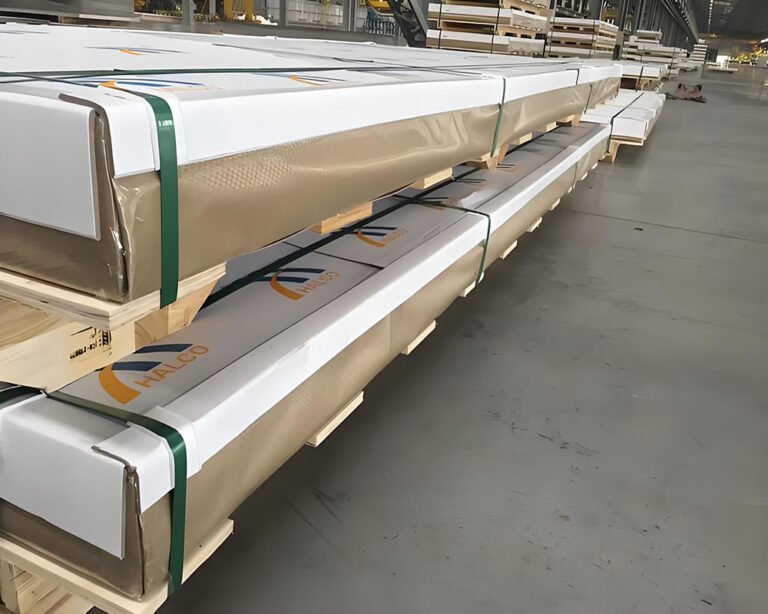
Air freight packing

Common Duplex Stainless Steel Grades

Different duplex stainless steel grades are developed to meet specific mechanical and corrosion resistance requirements.

1. Lean Duplex Stainless Steels (Molybdenum-Free, Cost-Effective)

These grades contain no molybdenum and have a lower PREN value (approximately 24–25), offering good cost-performance balance for general corrosive environments.

  • 2304 (UNS S32304)‌: Composed of 23% Cr, 4% Ni, and 0.1% N, it exhibits better pitting corrosion resistance than 304 stainless steel. It can replace 304 or 316L in general corrosion-resistant applications such as architectural decoration and automotive exhaust systems.
  • Approximate Chinese designation: 00Cr23Ni4N
    Suitable for cost-sensitive industrial and civilian applications where the corrosive environment is not severe.

2. Standard Duplex Stainless Steels (Most Widely Used)

Accounting for over 80% of duplex stainless steel usage, these grades offer a balanced combination of strength and corrosion resistance, making them the mainstream choice in industrial applications.

  • 2205 (UNS S32205 / S31803)‌: With a typical composition of 22% Cr, 5% Ni, 3% Mo, and 0.15% N, it has a PREN value of 32–33 and a yield strength more than twice that of 304 stainless steel. It also demonstrates strong resistance to chloride-induced stress corrosion cracking.
    Commonly used in chemical storage tanks, seawater desalination equipment, oil and gas pipelines, heat exchangers, and wastewater treatment systems.
  • Common name: F60 (forged grade)
  • Chinese designation: 00Cr22Ni5Mo3N
  • German designation: 1.4462
    2205 is considered the “gold standard” of duplex steels, known for its excellent overall performance and the widest range of applications.

3. High-Alloy Duplex Stainless Steels (Enhanced Corrosion Resistance)

Containing 25% chromium with added molybdenum and nitrogen, these grades achieve a PREN value of 38–39, offering superior corrosion resistance compared to 2205.

  • 255 (UNS S32550)‌: An early high-chromium duplex steel containing copper and tungsten, used in highly corrosive environments such as linings for chemical reactors.
  • Approximate Chinese designation: 00Cr25Ni6Mo3CuN
    Its performance lies between standard and super duplex grades, making it suitable for moderately aggressive environments.

4. Super Duplex Stainless Steels (For Extreme Environments)

With a PREN value greater than 40, these grades contain high levels of chromium (25%), molybdenum (>3.5%), and nitrogen (0.22%–0.30%), providing exceptional resistance to pitting and crevice corrosion.

  • 2507 (UNS S32750 / SAF2507)‌: The most representative super duplex stainless steel, containing 25% Cr, 7% Ni, 4% Mo, and 0.3% N. It offers high strength, good thermal conductivity, and a low coefficient of thermal expansion, making it suitable for chemical processing, petrochemical, and subsea equipment.
    Typical applications include heat exchanger tubes on offshore oil platforms, high-pressure pipes in seawater desalination systems, and industrial cleaning systems.
  • Chinese designation: 022Cr25Ni7Mo4N
  • Other grade: S32760 (Zeron 100)‌: Contains tungsten and copper, further enhancing corrosion resistance.
    Note: 2507 is not suitable for long-term service above 570°C, as its toughness may decrease under such conditions.


Industries That Use Duplex Stainless Steel

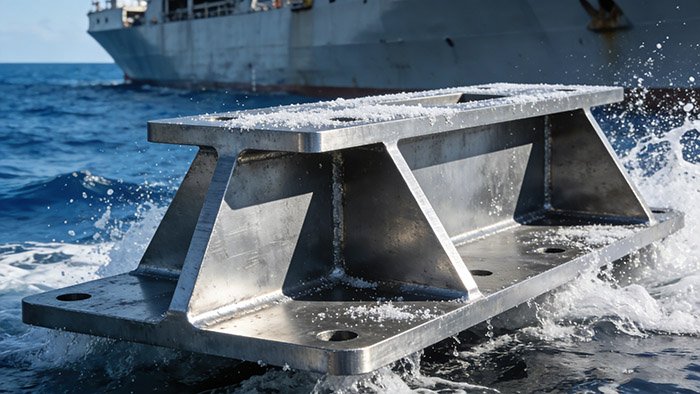
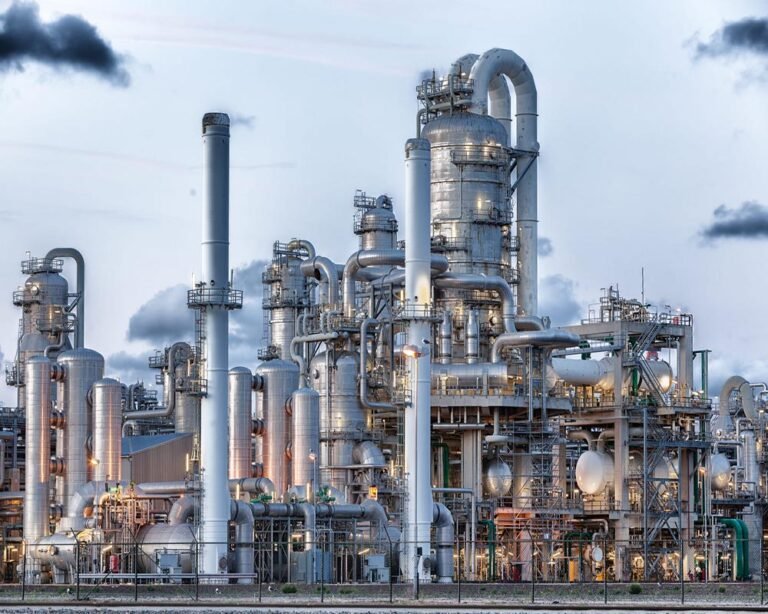
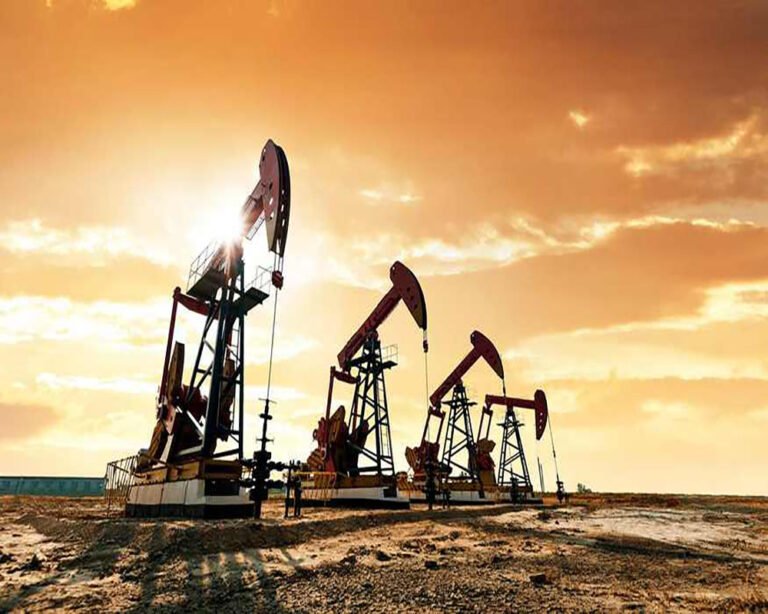
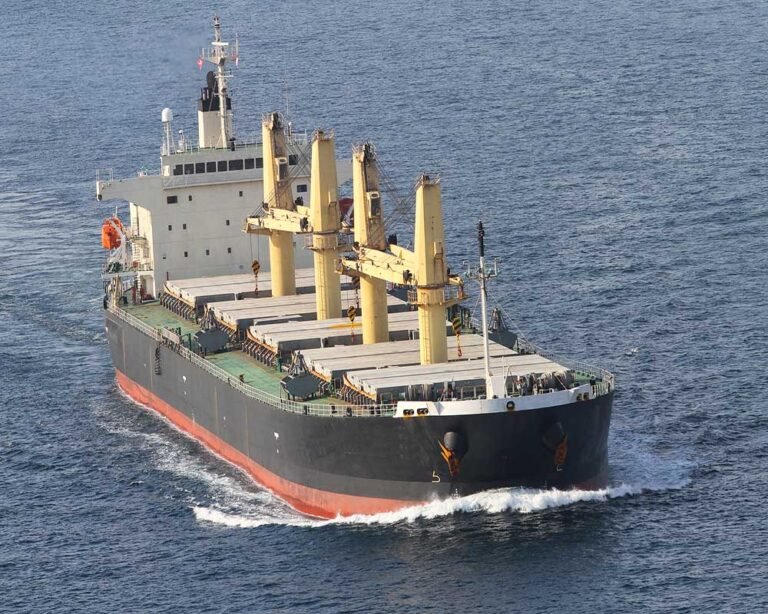
Compared with conventional stainless steels such as 304 and 316, duplex stainless steels typically offer higher mechanical strength and better performance in chloride-containing environments. These properties make duplex stainless steels particularly suitable for demanding industrial applications such as offshore equipment, chemical processing systems, oil and gas infrastructure, and marine engineering.

Frequently Asked Questions About Duplex Stainless Steel

1

Can duplex stainless steel be welded?

Yes. Duplex stainless steels can be welded using appropriate welding procedures and filler materials.

2

Is duplex stainless steel stronger than 316 stainless steel?

Yes. Duplex stainless steels typically provide significantly higher strength than conventional austenitic stainless steels such as 316

3

What is duplex stainless steel?

Duplex stainless steel is a type of stainless steel that contains both austenitic and ferritic microstructures, providing a combination of strength and corrosion resistance.

Contact Us for Duplex Stainless Steel Materials

Phone:+86 0538 6368027
Email:sales@tiptopmetal.com
If you are looking for high-quality duplex stainless steel materials or custom duplex stainless steel components, our team can support your project with suitable material solutions.
We supply duplex stainless steel bars, plates, pipes, and forgings for demanding industrial applications. Contact us today to request a quotation or discuss your project requirements.