
Phone Number

+86 0538 6368027

Ordinary stainless steel

No products found

Ordinary Stainless Steel Products We Supply

We provide a variety of stainless steel product forms to support industrial manufacturing and engineering needs. These materials are produced according to international standards and can be supplied in customized sizes.

Stainless Steel Bars

Stainless steel bars are widely used for machining mechanical parts, shafts, fasteners, and structural components. They offer good strength, corrosion resistance, and machinability.

Stainless Steel Plates and Sheets

Stainless steel plates and sheets are commonly used in structural equipment, pressure vessels, tanks, and industrial machinery where corrosion resistance is required.

Stainless Steel Tubes and Pipes

Stainless steel tubes are widely used in pipelines, heat exchangers, and industrial processing systems. They provide excellent corrosion resistance and long service life.

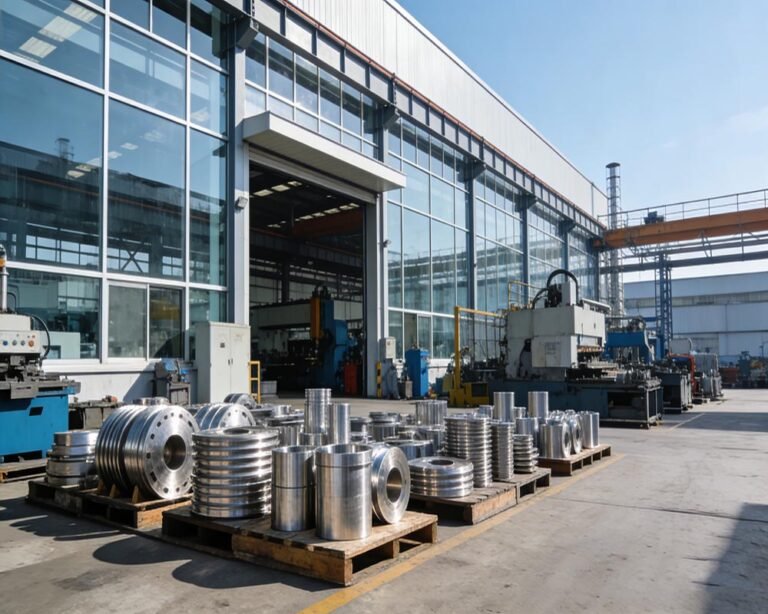
Stainless Steel Forgings

Forged stainless steel components provide improved structural strength and reliability. Typical forged products include rings, shafts, flanges, and heavy-duty mechanical parts.

Custom Stainless Steel Components

We also manufacture customized stainless steel parts according to customer drawings or technical specifications for specialized industrial applications.

TIPTOP

Advantages of Ordinary Stainless Steel

Ordinary stainless steel refers to widely used stainless steel grades that provide reliable corrosion resistance, mechanical strength, and durability for general industrial applications. These materials typically contain chromium as the primary alloying element, which forms a protective oxide layer on the surface and helps prevent corrosion.

Instructions

1

Excellent Corrosion Resistance

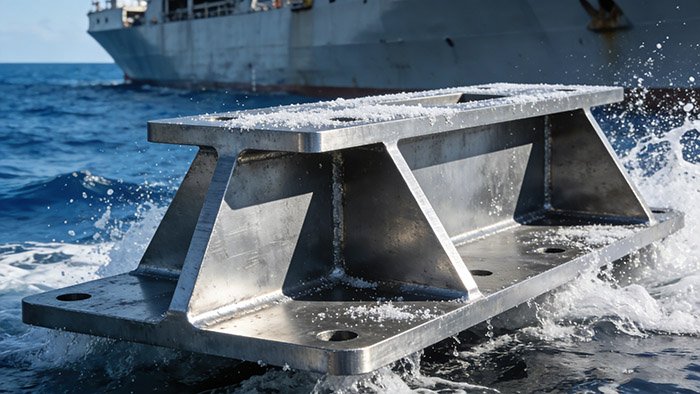
The chromium content in stainless steel forms a passive oxide layer that protects the material from rust and corrosion in many environments.

Strong Corrosion and Oxidation Resistance
2

Good Mechanical Strength

Stainless steel provides strong mechanical performance and durability, making it suitable for structural and load-bearing components.

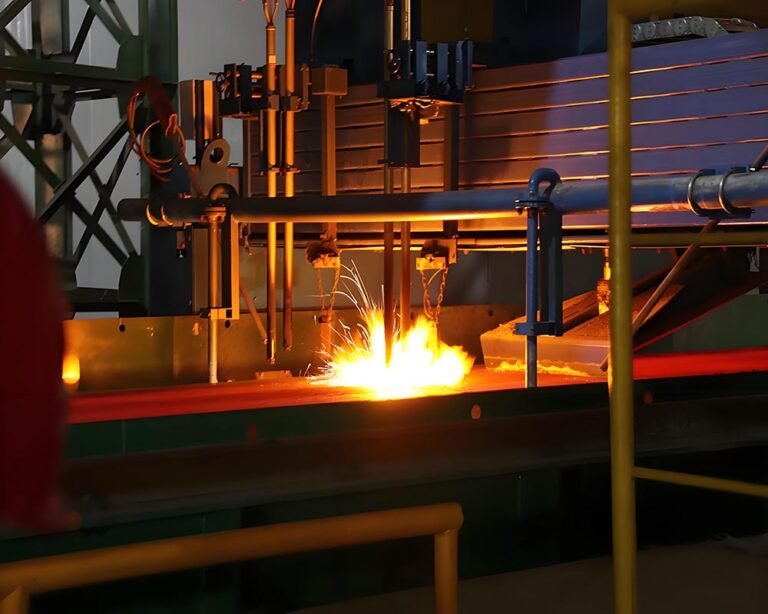
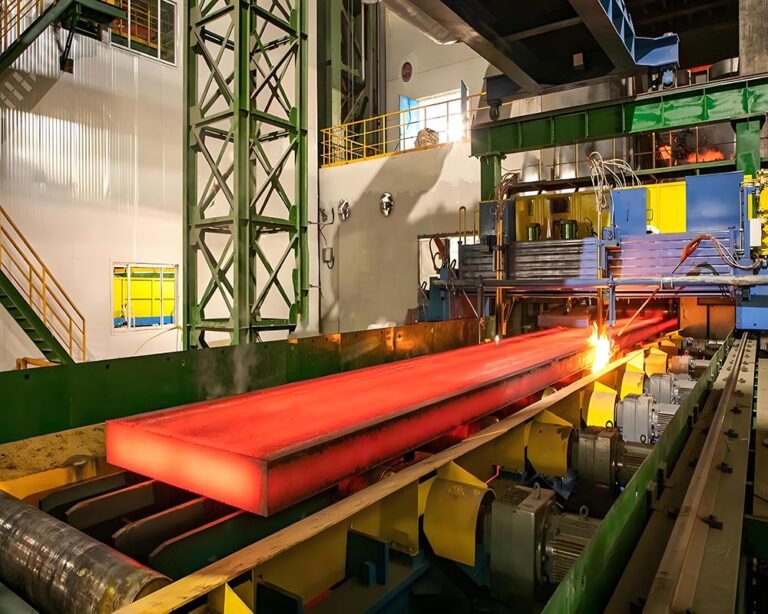
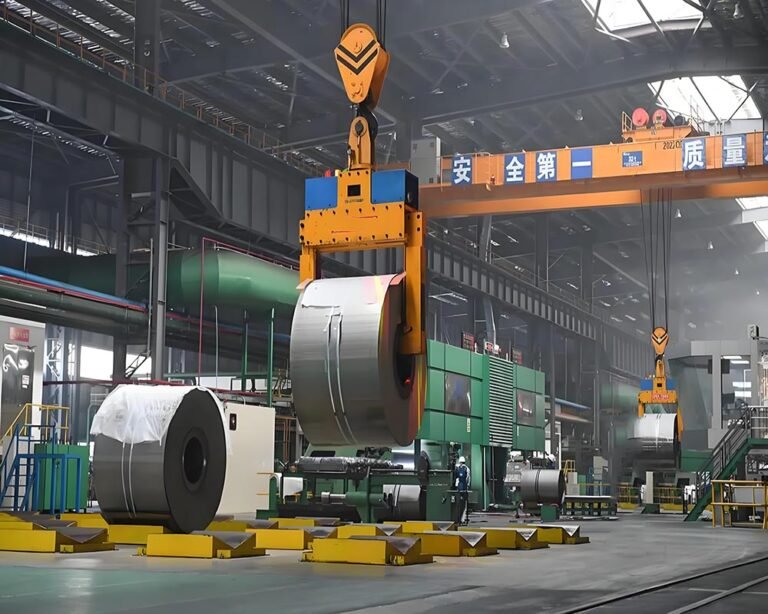
Special metal production line
3

High Temperature Resistance

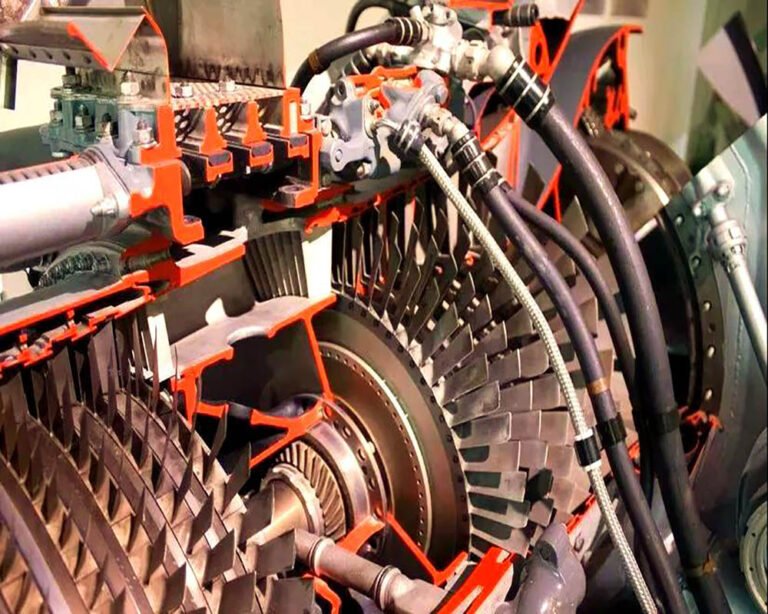
Many stainless steel grades can maintain their mechanical properties at elevated temperatures.

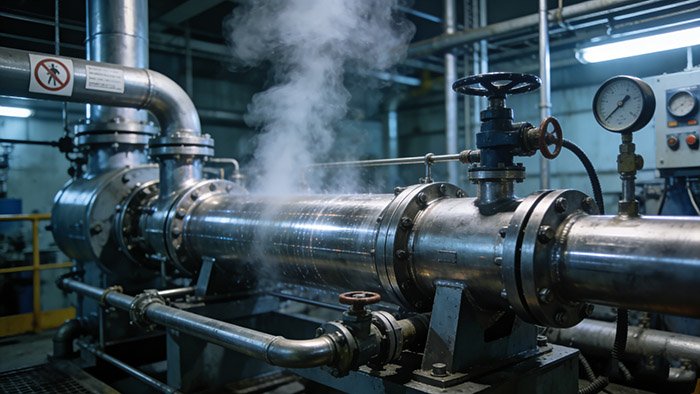
Excellent High Temperature Resistance
4

Easy Fabrication and Welding

Most stainless steel grades offer good weldability and fabrication properties, which allows them to be easily processed into various industrial components.

Special metal production line
5

Long Service Life

Due to its corrosion resistance and durability, stainless steel components typically have a long service life with minimal maintenance.

Special metal production line

Common Ordinary Stainless Steel Grades

Common stainless steel categories include austenitic stainless steel, ferritic stainless steel, martensitic stainless steel, and duplex stainless steel. Each type offers different combinations of strength, corrosion resistance, and machinability to meet various industrial requirements.

Ferritic Stainless Steel (400 Series) – Cost-Effective


High in chromium but不含镍, ferritic stainless steels are low-cost with moderate corrosion resistance. They are magnetic, have good formability, but relatively poor weldability.

  • 430 (1Cr17)‌: The most common ferritic stainless steel, widely used in appliance housings, automotive trim, and building roofing due to its excellent cost-performance ratio.
  • 409L (00Cr11Ti)‌: Low-cost grade with good heat resistance, primarily used in automotive exhaust systems.
  • 434, 436L‌: Molybdenum is added to enhance corrosion resistance, used in automotive interiors and fuel systems.

Ferritic stainless steels are mainly applied in indoor environments or automotive sectors where corrosion resistance requirements are not extremely high.

Duplex Stainless Steel – High Strength + High Corrosion Resistance

Combining characteristics of both austenitic and ferritic structures, duplex stainless steels have twice the strength of 304 and excellent resistance to stress corrosion cracking.

  • 2205 (S22253 / 022Cr23Ni5Mo3N)‌: The most common duplex steel, used in seawater treatment, chemical pipelines, and offshore platforms.
  • 2507 (S32750)‌: A super duplex steel with exceptional resistance to chloride ion corrosion, designed for extreme corrosive environments.

Duplex stainless steels are increasingly used in high-end industrial applications.

Austenitic Stainless Steel (300 Series) – Most Widely Used

Austenitic stainless steels offer excellent corrosion resistance, formability, and weldability, with non-magnetic or weakly magnetic properties. They are the most commonly used type in both civilian and industrial applications.

  • 304 (06Cr19Ni10 / SUS304)‌: A general-purpose stainless steel containing 18% chromium and 8% nickel (known as “18/8” stainless), suitable for cutlery, kitchen equipment, architectural decoration, and food processing industries. The new Chinese standard designation is 06Cr19Ni10, and it remains one of the most prevalent stainless steels on the market.
  • 304L (022Cr19Ni10)‌: An ultra-low carbon version with enhanced resistance to intergranular corrosion, ideal for welded components.
  • 316 (06Cr17Ni12Mo2)‌: Molybdenum is added to significantly improve resistance to chloride corrosion, making it commonly used in marine environments, pharmaceutical equipment, and chemical containers. It is also known as “marine-grade stainless steel.”
  • 316L (022Cr17Ni12Mo2)‌: A low-carbon variant of 316 with superior corrosion resistance, suitable for high-demand applications such as nuclear energy systems and cryogenic storage tanks.
  • 301 (1Cr17Ni7)‌: Strength increases after cold working; used in springs and structural parts, and exhibits slight magnetism.
  • 321 (0Cr18Ni11Ti)‌: Titanium is added to prevent sensitization, making it suitable for high-temperature welded components.
  • 310S (06Cr25Ni20)‌: High chromium and nickel content provide excellent heat resistance up to 1150°C, used in furnace chambers, burners, and other high-temperature equipment.

Austenitic stainless steels account for over 70% of total stainless steel usage, with 304 and 316 being the most representative grades.

Other Common Grades

  • 201 (1Cr17Mn6Ni5N)‌: Manganese replaces nickel to reduce cost, used in decorative tubes and elevator panels, though with lower corrosion resistance than 304.
  • 303‌: Sulfur and phosphorus are added to improve machinability, making it suitable for automatic machining parts.
  • 309S, 310S‌: Exhibit excellent high-temperature performance, used in furnace components.


Industries That Use Ordinary Stainless Steel

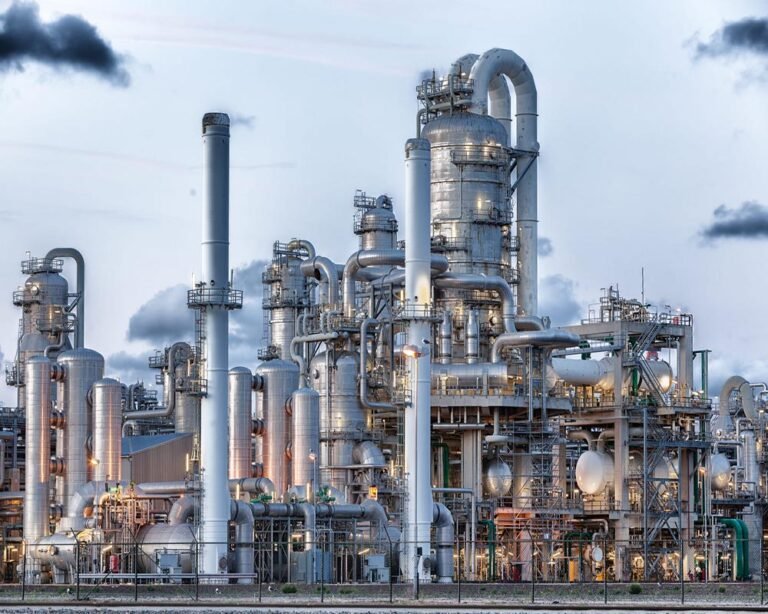
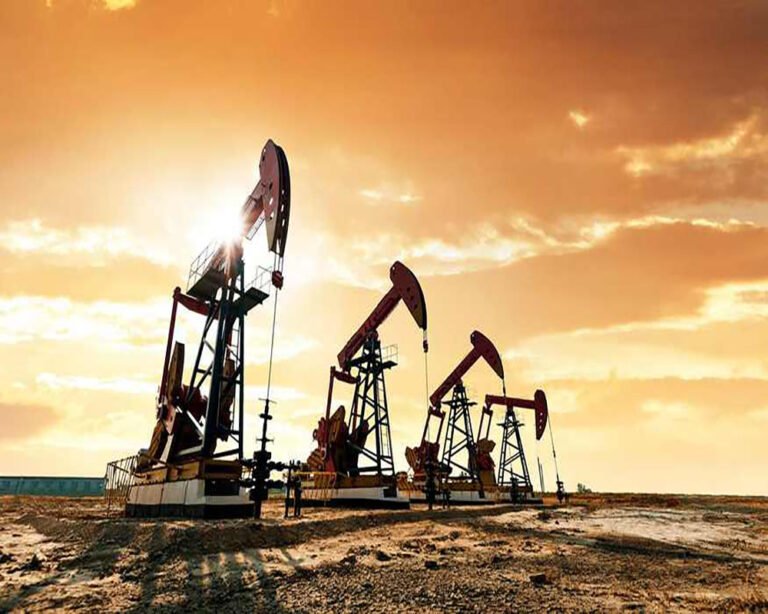
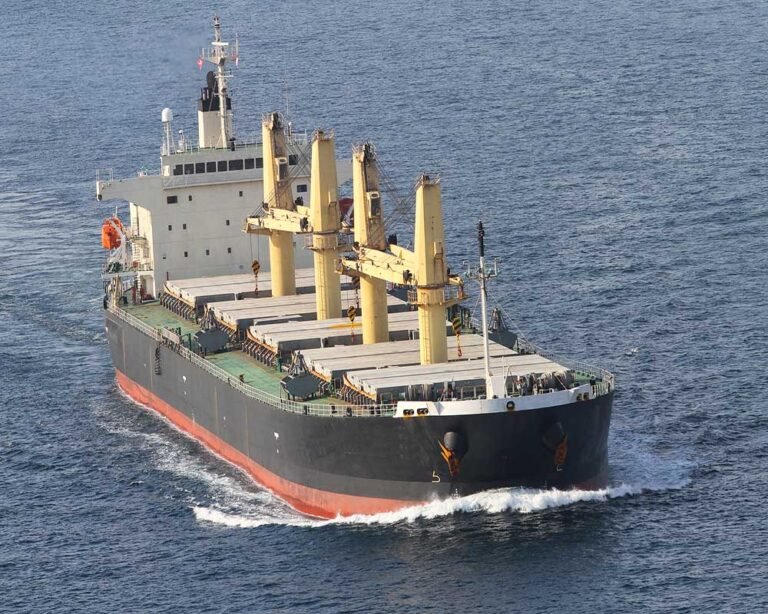
Because of their balanced properties and cost efficiency, ordinary stainless steels are widely used across many industries, including construction, food processing, chemical processing, oil and gas, marine equipment, and general manufacturing.

Frequently Asked Questions About Stainless Steel

1

What is ordinary stainless steel?

Ordinary stainless steel refers to commonly used stainless steel grades that provide corrosion resistance, strength, and durability for general industrial applications.

2

What industries use stainless steel?

Stainless steel is used in industries such as oil and gas, chemical processing, food processing, marine engineering, aerospace, and manufacturing.

3

How do I choose the right stainless steel grade?

The selection of stainless steel grade depends on factors such as corrosion environment, mechanical strength requirements, operating temperature, and manufacturing process.

Contact Us for Stainless Steel Materials

Phone:+86 0538 6368027
Email:sales@tiptopmetal.com
If you are looking for stainless steel materials or customized stainless steel components, our team can help you select the most suitable grade and product form for your application.
We supply stainless steel bars, plates, tubes, and forgings for a wide range of industrial applications. Feel free to contact us for technical support or to request a quotation.