




Phone Number

+86 0538 6368027

Copper Alloys

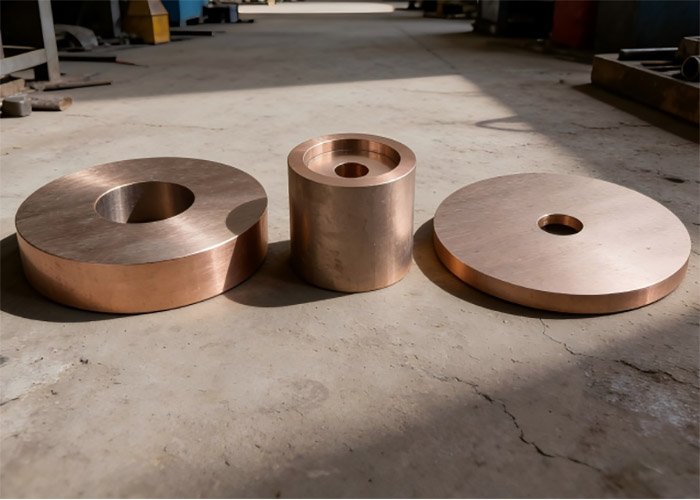
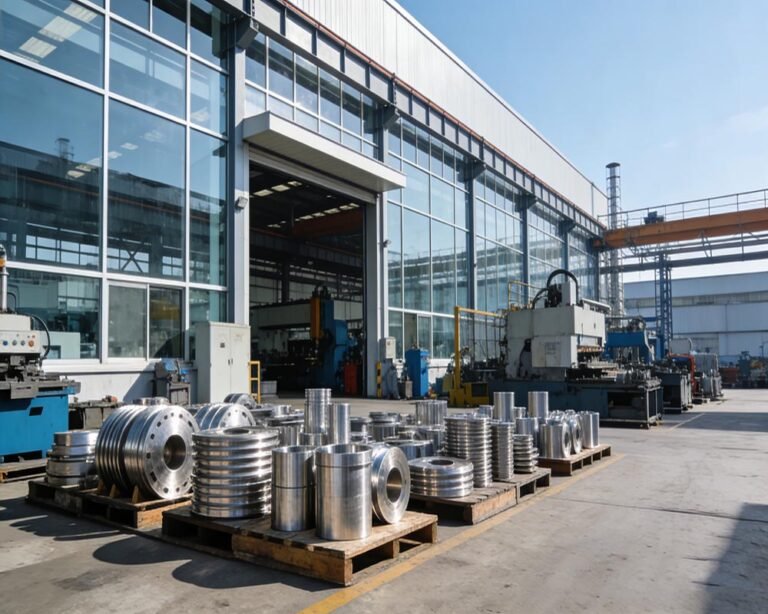
Copper alloy disks

Our Copper Alloy Products

We supply a comprehensive range of copper alloy materials manufactured to meet international standards and industrial requirements.These materials are commonly manufactured in forms including bars, plates, sheets, tubes, and custom forged components to support a wide range of industrial applications.

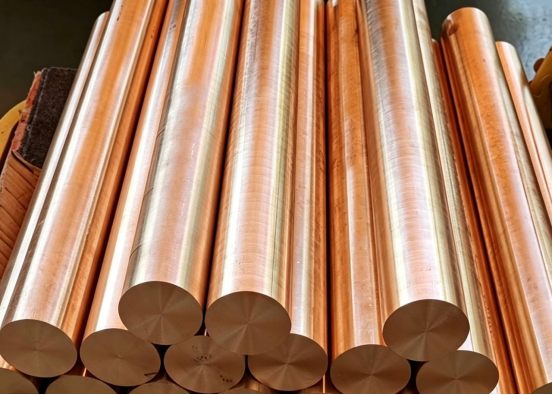
Copper Alloy Bars

Copper alloy bars are widely used for precision machining, mechanical components, and electrical connectors. These bars offer good strength, excellent machinability, and reliable performance in demanding industrial environments.

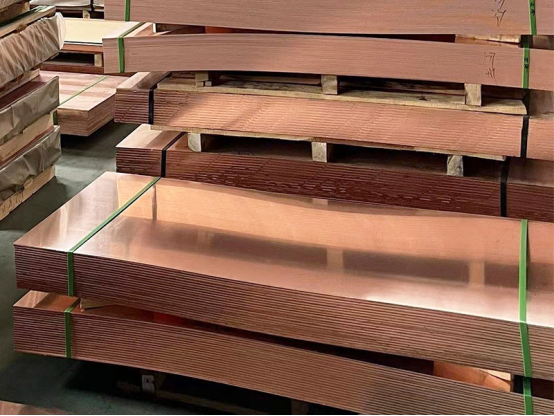
Copper Alloy Plates and Sheets

Copper alloy plates and sheets are commonly used for structural components, heat exchangers, and corrosion-resistant equipment. They provide good formability and mechanical strength while maintaining high thermal conductivity.

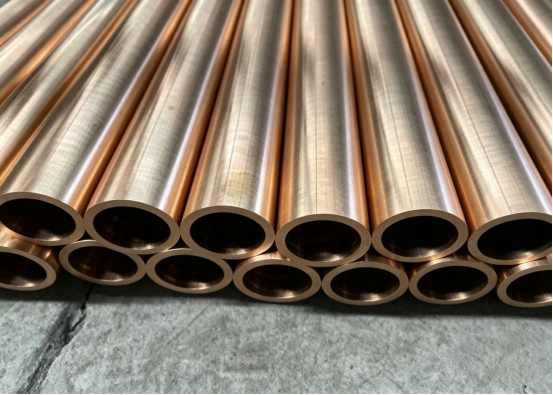
Copper Alloy Tubes and Pipes

Copper alloy tubes are frequently used in heat exchanger systems, condensers, marine piping, and cooling systems. Their high corrosion resistance and thermal efficiency make them ideal for harsh operating environments.

Copper Alloy Forgings

Forged copper alloy components provide enhanced mechanical strength and durability. These products are typically used for valves, pump components, marine hardware, and heavy-duty industrial equipment.

Custom Copper Alloy Components

We also manufacture custom copper alloy parts according to customer drawings and technical specifications. Our engineering team can support specialized manufacturing requirements for complex industrial applications.


TIPTOP

Advantages of Copper Alloys

Copper alloys are versatile engineering materials created by combining copper with elements such as zinc, tin, aluminum, nickel, or silicon to enhance mechanical strength, corrosion resistance, and durability. While pure copper is valued for its excellent electrical and thermal conductivity, copper alloys provide improved mechanical performance while maintaining many of copper’s beneficial properties.

Instructions

1

Excellent Electrical Conductivity

Many copper alloys retain high electrical conductivity, making them essential materials for electrical connectors, power transmission equipment, and electronic components.

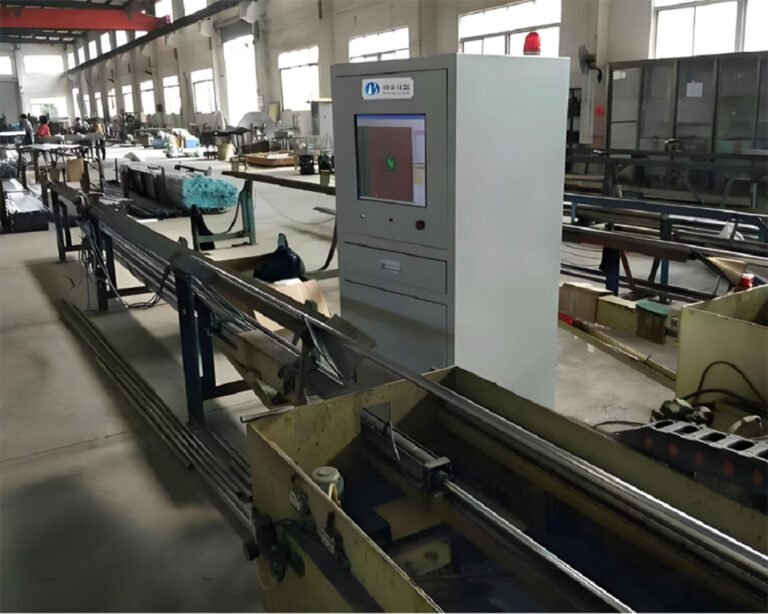
eddy current flaw detector
2

High Thermal Conductivity

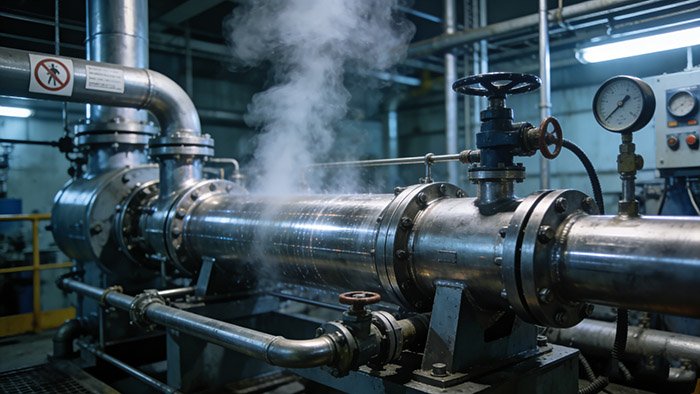
Copper alloys transfer heat efficiently, which makes them widely used in heat exchangers, condensers, and cooling systems.

Excellent High Temperature Resistance
3

Superior Corrosion Resistance

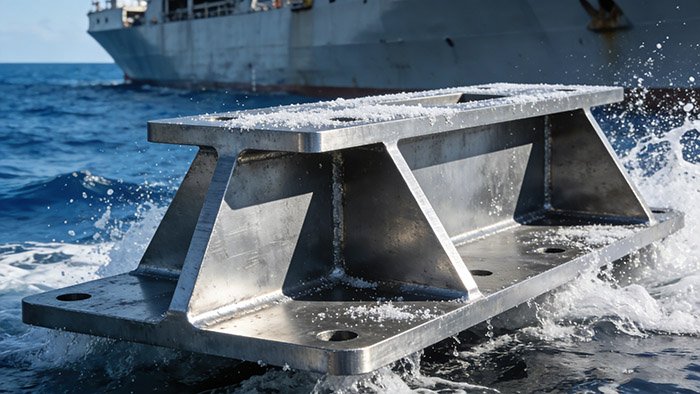
Copper alloys perform exceptionally well in corrosive environments such as seawater, chemical processing facilities, and industrial atmospheres.

Strong Corrosion and Oxidation Resistance
4

Good Mechanical Strength

By alloying copper with elements like aluminum, nickel, or zinc, these materials achieve significantly improved strength while maintaining good ductility.

Special metal production line
5

Excellent Machinability

Many copper alloys are easy to machine, which allows manufacturers to produce precise and complex components efficiently.

Special metal production line

Common Copper Alloy Grades

Different copper alloy grades are designed to provide specific properties for particular applications. Below are some of the most commonly used copper alloys in industrial manufacturing.

Brass Series (Copper-Zinc Alloys)

Primarily alloyed with zinc, brass offers an affordable cost and excellent workability, making it widely used in the manufacture of valves, fittings, radiators, and decorative components.

  • H62, H65, H68, H70, H80, H90‌: Common brass alloys where the number indicates the copper content in percentage (e.g., H62 contains 62% Cu). H62 is the most widely used, applied in shell casings, radiators, screws, etc.
  • HPb59-1‌: Lead-containing brass with excellent machinability, suitable for parts produced on automatic lathes, such as instrument components
  • HSi80-3‌: Silicon brass with good corrosion resistance, used in marine parts and seawater piping systems
  • HMn58-2‌: Manganese brass with high strength and heat resistance, used in structural components under high-temperature conditions
  • ZCuZn40Mn2‌: Cast brass with good castability and corrosion resistance, suitable for large castings

The brass series offers high cost-effectiveness and is one of the most commonly used copper alloys in industry.

Cupronickel Series (Copper-Nickel Alloys)

Primarily alloyed with nickel, cupronickel exhibits exceptionally high corrosion resistance, particularly outstanding in seawater environments.

Ordinary Cupronickel

  • B10, B20, B30‌: The number indicates nickel content (e.g., B30 contains 30% Ni), used in condensers, heat exchangers, and marine piping systems—excellent resistance to seawater corrosion

Manganese Cupronickel (Constantan, Advance)

  • BMn40-1.5 (Constantan)‌: High electrical resistance and low temperature coefficient—used in precision resistors and thermocouple compensation wires
  • BMn43-0.5 (Advance)‌: Paired with iron or copper for low-temperature thermocouple applications

Iron Cupronickel

  • BFe30-1-1‌: Contains iron and manganese, offering high strength and corrosion resistance—used in desalination equipment and power plant condenser tubes

Zinc Cupronickel

  • BZn15-20‌: Silvery-white appearance, used in decorative components, eyeglass frames, and coins

Monel Series (Nickel-Copper Alloys)

  • Monel 400 (N04400)‌: Contains 67% Ni + 30% Cu—resistant to strong acids and alkalis, widely used in chemical processing and marine engineering
  • Monel K500 (N05500)‌: Based on Monel 400 with added aluminum and titanium—higher strength, used in pump shafts, valves, and other high-stress components

Cupronickel is a key material in marine engineering and precision instrumentation.

Bronze Series (Copper Alloys Excluding Zinc and Nickel)

Originally referring to copper-tin alloys, “bronze” now broadly includes alloys of copper with tin, aluminum, beryllium, silicon, chromium, etc., known for high strength, wear resistance, and corrosion resistance.

Tin Bronze

  • QSn4-3, QSn6.5-0.1, QSn7-0.2‌: Offer good elasticity, wear resistance, and non-magnetic properties—commonly used in precision components such as springs, contact strips, and bearings
  • ZQSn10-1‌: High-tin cast tin bronze with exceptional wear resistance, used in heavy-duty mechanical bearings and bushings

Aluminum Bronze

  • QAl5, QAl7, QAl9-4, QAl10-3-1.5‌: Strength comparable to steel, with excellent corrosion and wear resistance—used in gears, sleeves, and marine engineering components

Beryllium Bronze

  • 0, QBe1.9‌: High strength, high elasticity, non-magnetic, and spark-free under impact—used in explosion-proof tools, relay springs, and aerospace connectors

Silicon Bronze

  • QSi3-1‌: Good weldability and moderate strength, used in springs and corrosion-resistant structural parts

Chromium Bronze

  • 5–QCr1.0‌: High electrical conductivity combined with high strength—used in electrodes, welding wheels, and continuous casting molds

Tungsten-Copper (Cuw)

  • Cuw85, Cuw80‌: High heat resistance and arc erosion resistance—used in high-voltage electrical contacts and EDM (electrode discharge machining) electrodes

Bronze alloys are primarily used in high-performance mechanical and electrical components, especially irreplaceable in wear-resistant and elastic applications.

Pure Copper and Oxygen-Free Copper (Pure Copper Series)

High purity (≥99.3%), with excellent electrical and thermal conductivity—primarily used in electrical applications and high-purity alloy production.

  • T1, T2, T3‌: Commercially pure copper, where higher numbers indicate slightly lower purity. T2 is the most commonly used—applied in electrical wires, cables, and copper tubes
  • TU1, TU2‌: Oxygen-free copper with oxygen content <0.003%—used in electronic vacuum devices and high-reliability conductors
  • TUP, TUMn‌: Phosphorus-deoxidized and manganese-deoxidized copper—used in welding materials and heat exchanger tubing

Pure copper serves as the “gold standard” conductive material in the electrical and electronics industries.

Chinese Designation

ASTM (USA)

DIN (Germany)

JIS (Japan)

Application Field

H62

C28000

CuZn37

C2800

General structural components

H68

C26800

CuZn33

C2680

Deep-drawn parts

QSn6.5-0.1

C5191

CuSn6P

C5191

Elastic components

QBe2.0

C17200

C1720

High-strength springs

B30

CuNi30Mn

Condenser tubes

T2

C11000

Cu-ETP

C1100

Electrical wires and cables

Industries That Use Copper Alloys

Because of their unique combination of conductivity, corrosion resistance, and machinability, copper alloys are widely used in industries such as aerospace, marine engineering, power generation, oil & gas, chemical processing, and electrical systems.

Frequently Asked Questions About Copper Alloys

1

What are copper alloys?

Copper alloys are metals created by combining copper with other elements such as zinc, tin, aluminum, or nickel to improve strength, corrosion resistance, and durability.

2

What are the main types of copper alloys?

The main types include brass (copper-zinc), bronze (copper-tin), aluminum bronze, and copper-nickel alloys.

3

How do I choose the right copper alloy grade?

The correct alloy grade depends on factors such as strength requirements, corrosion resistance, electrical conductivity, and operating conditions.

4

Are copper alloys good conductors of electricity?

Yes. Copper and many copper alloys have very high electrical conductivity, making them essential for electrical and electronic systems.

Request a Quote for Copper Alloys

Phone:+86 0538 6368027
Email:sales@tiptopmetal.com
If you are looking for high-quality copper alloy materials for industrial applications, our team can help you select the most suitable grade and product form.
We supply copper alloys in bars, plates, tubes, forgings, and custom components based on your technical specifications. Contact us today to discuss your project requirements or request a quotation.