
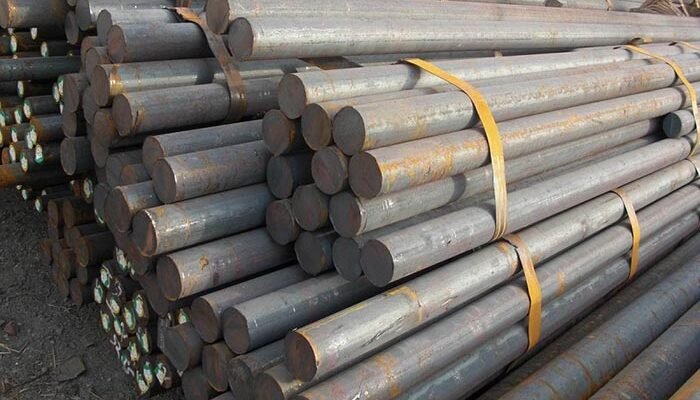
Cobalt based alloys or cobalt-based alloys are metals that are usually utilized where traditional materials fail, for example, at very high temperatures or in highly corrosive or abrasive environments.
Cobalt-based alloys are a class of alloys where cobalt is the main element; however, they are often mixed with chromium, tungsten, and nickel among others. It is not only the fact that they can withstand high temperatures that sets them apart but also their capability of simultaneously maintaining strength, hardness, and corrosion resistance in very harsh conditions.
While a lot of high-temperature alloys tend to drop in performance as the temperature increases, cobalt-base high temperature alloys are able to keep their structural stability. This is why they are the key materials in sectors like aerospace, energy, and heavy industries.
The main focus of understanding cobalt based alloys properties should be on how the material performs in the actual landscapes of working environments rather than quoting figures.
Retaining their mechanical properties at high temperatures is one major feature of cobalt base high temperature alloys. While such materials will not lose their hardness and they will not be deformed even after long exposure, which is a fundamental characteristic of, for example, turbine blades.
Since cobalt alloys form hard carbides as a natural part of their microstructure, they exhibit very high resistance towards:
Metal-to-metal wear
Abrasion in high-load environments
Galling in sliding contact applications
This explains their extensive usage in valves, bearings, and cutting tools.
Due to high chromium levels, cobalt-based alloys demonstrate a good performance in both oxidizing as well as corrosive environments, such as:
Hot gases Chemical processing equipments Marine and acidic conditions Besides wear + corrosion, combination resistance that is hard to attain with other alloy systems
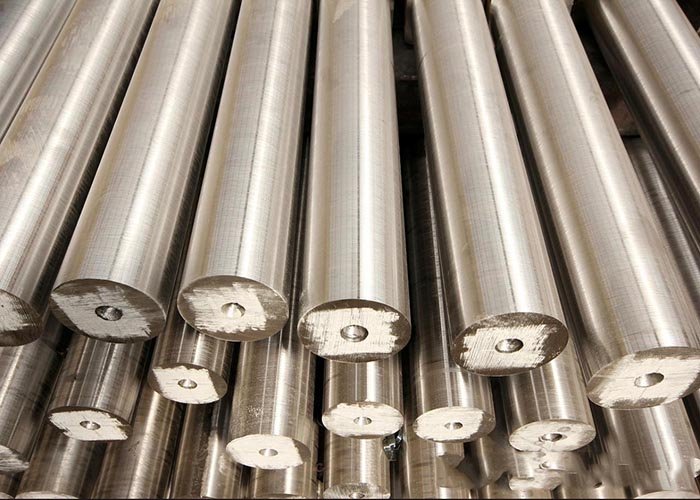
A clear understanding of cobalt base alloys grades and composition helps engineers select the right material for specific applications.
Each grade is designed for a balance between hardness, corrosion resistance, and temperature capability.
The production method significantly affects the final performance of cobalt based alloy casting components.
Investment casting is often used to produce intricate shapes with high dimensional accuracy. This is especially important in aerospace and medical applications.
Cobalt alloys are harder than many conventional materials, which means:
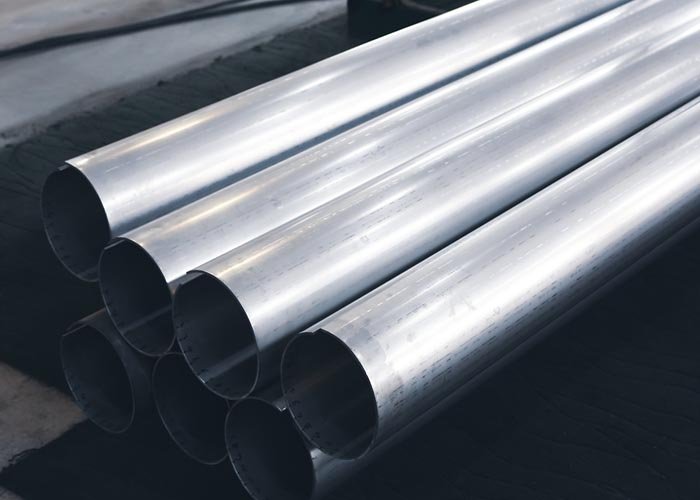
A reliable supplier should be able to supply cobalt based alloy in multiple forms:
Used in turbine blades and combustion components where both heat and oxidation resistance are critical.
Applied in valves, pump components, and wear-resistant parts exposed to high pressure and corrosive media.
Certain cobalt alloys are used in implants due to their wear resistance and compatibility with the human body.
In cutting tools and sealing surfaces, cobalt based alloys significantly extend service life compared to conventional materials.
Across these industries, the application of cobalt based alloy is driven by the need for durability under combined stress conditions.
When sourcing china cobalt based alloy, buyers should evaluate more than just price.
A reliable supplier should ensure that the delivered material matches the required performance, not just the nominal specification.
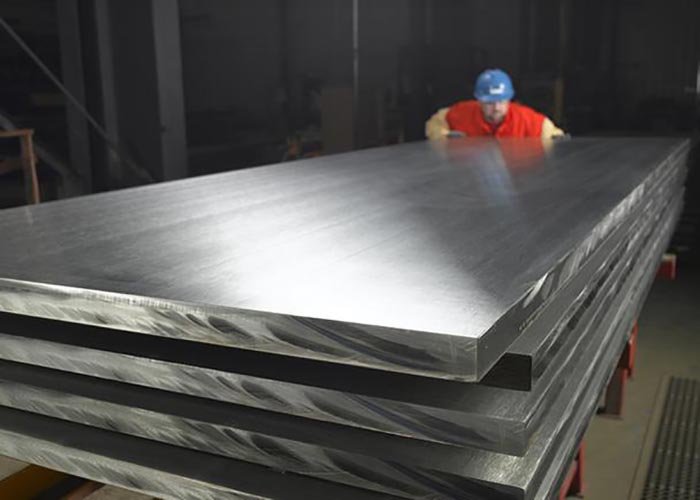
TIPTOP Metal focuses on providing practical solutions for customers seeking to supply cobalt based alloy for demanding applications.
The company’s capabilities include:
Rather than offering generic materials, TIPTOP emphasizes matching alloy grades to real operating conditions, helping customers reduce risk and improve service life.
For buyers looking for wholesale cobalt based alloy, pricing is influenced by several key factors:
In high-performance applications, the lowest price is rarely the best choice. Material reliability and lifespan often determine the true cost.
Despite the development of many advanced materials, cobalt-based alloys continue to be used because they offer a unique combination of:
For engineers facing demanding conditions, these alloys provide a level of reliability that alternative materials often cannot match.