
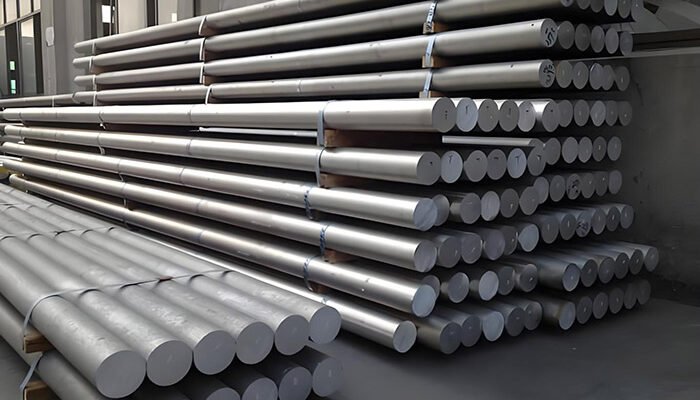
engineering when someone says aluminum, they usually do not mean the pure metal. In fact, in most cases, the material that engineers use is aluminum alloy. What makes aluminum alloys different is the fact that besides being able to carry loads, their behavior can also change with different temperatures, and due to environmental conditions.
In fact, how aluminum alloys work is something that goes way beyond just definitions. It is knowing what makes this material so popular among industries that are always on the lookout for performance as well as efficiency.
On many occasions, the question what is aluminum alloy is answered simply by saying aluminum mixed with other elements. Although it is technically a correct answer, the next question will be quite understandable—why do we need the alloys?
For one thing, pure aluminum is quite a soft metal and is not very high in strength. If you add other elements like magnesium, silicon, or copper, it becomes a stronger material that can be used for making structural elements. This is the reason that most of the time, in engineering, when we talk about aluminum, we are referring to an alloy, not a pure metal.As a matter of fact, the term aluminum alloy is meant to signify an optimized mix of weight, strength, and workability rather than a type of material that is always the same.
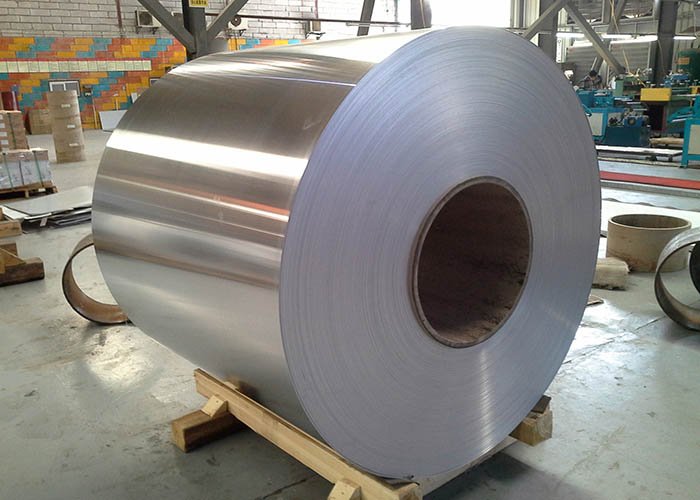
Just composition is never perfect for understanding the topic of aluminum alloy material.
Since there are many different aluminum alloys, there is a need to understand that their reaction to being stressed, machined, or exposed to the environment in one way or another will be different. Some are meant to keep their mechanical properties even if the load is high. For others, their properties are not strength but are forming or corrosion proficiency.That is the reason behind the fact that aluminum alloys can be found in so many different product ranges. Besides, it also implies that making a selection only depends on which one is the most suitable to the condition rather than which one has the most of everything.
There are many times when talking about types of aluminum alloys, usually the classification will be according to the elements that were used for alloying or the methods of processing. But in terms of applications, the difference will mainly be material performance during use.
Some certainly make good alloys to be used in structural parts because they provide the required strength and resistance to fatigue although there are others which are perfect for shape and surface quality.
In case, you are wondering what types of aluminum alloys really mean, it will be mostly about your choices. What is more, the same project may require different alloys for different parts, depending on how each part is expected to behave.
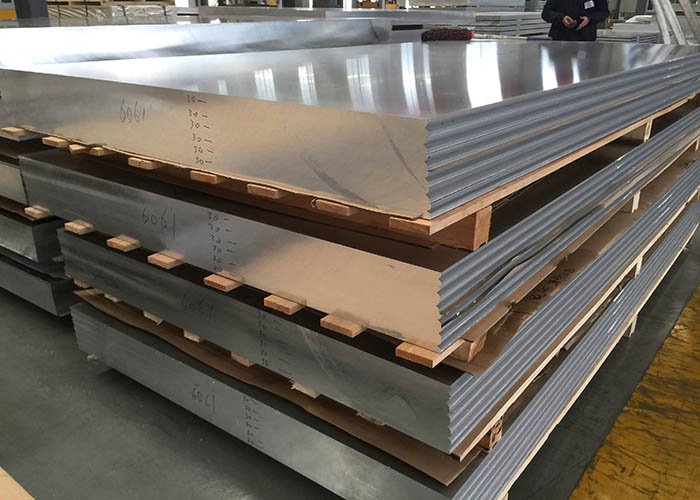
A very common question is does aluminum alloy rust. To a large extent, the answer will be determined by the definition of corrosion.
Unlike steel, aluminum does not rust in the traditional sense. Instead, it forms a natural oxide layer that protects the surface. In fact, in many occasions, aluminum alloy is more resistant to the environment thus making it a desirable material.
But at the same time, this doesn’t mean that it will be the most resistant to the corrosion in all the cases. In some situations, such as the presence of certain chemicals or galvanic corrosion, aluminum alloys can also be attacked.
The main point for an engineer is not whether the corrosion happens or not, but how much control and predictability it can have.
The idea that aluminum is an alloy can be confusing at first, but it reflects how the material is actually used.
Pure aluminum has limited structural application because of its softness. Once alloyed, its properties can be tailored for strength, machinability, or durability.
This is why in industrial contexts, aluminum alloy is the standard form. The distinction between pure aluminum and alloyed aluminum is less about definition and more about usability.
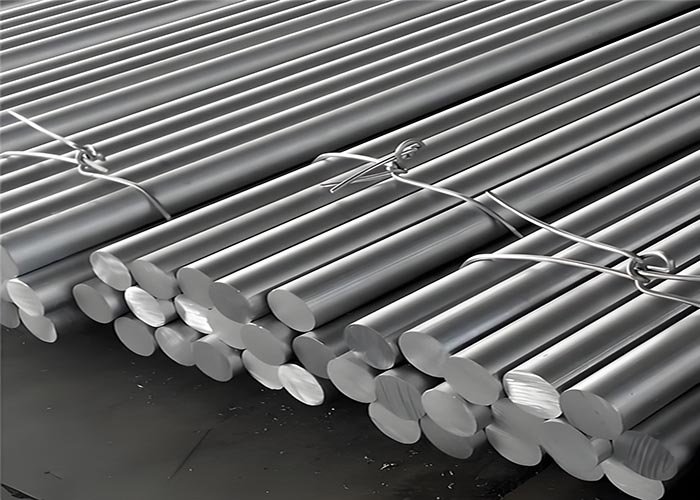
The term superior aluminum alloys is often used, but in practice, superiority is relative.
An alloy that performs well in one application may not be suitable for another. For example, an alloy optimized for strength may be more difficult to machine, while one designed for formability may sacrifice some structural performance.
This is why evaluating aluminum alloys requires understanding the intended use. Performance is not absolute—it is defined by how well the material fits its environment.
In manufacturing, working with aluminum alloy material is not only about selecting the right grade, but also about controlling how it is processed.
From the perspective of a company like TIPTOP Metal, the focus is on how the material behaves during forming and machining. The goal is not simply to meet specifications, but to ensure that the material performs consistently once it becomes part of a component.
In practical terms, this means paying attention to how aluminum alloys respond during production, especially in applications where dimensional accuracy and stability are important.
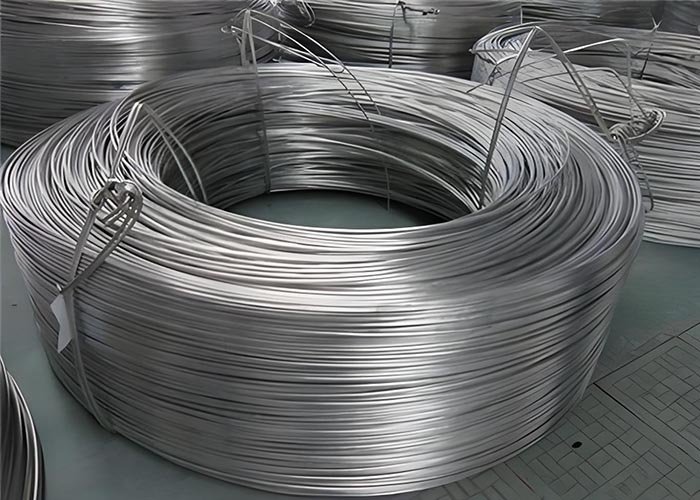
The widespread use of aluminum alloys is not due to a single advantage, but to a combination of characteristics that make them adaptable.
Across industries, aluminum alloy is used where reducing weight without compromising functionality is important. At the same time, its workability allows it to be shaped into complex forms that would be difficult with other materials.
This combination explains why aluminum alloys continue to be relevant even as new materials are introduced.
At a surface level, aluminum alloy can be described through composition and properties. In practice, its value comes from how well it fits the requirements of a specific application.
For engineers, this means selecting the right alloy based on performance needs.
For manufacturers, it means controlling how the material behaves during processing.
Ultimately, aluminum alloys are not defined by being better than other materials, but by how effectively they solve the problems they are chosen for.
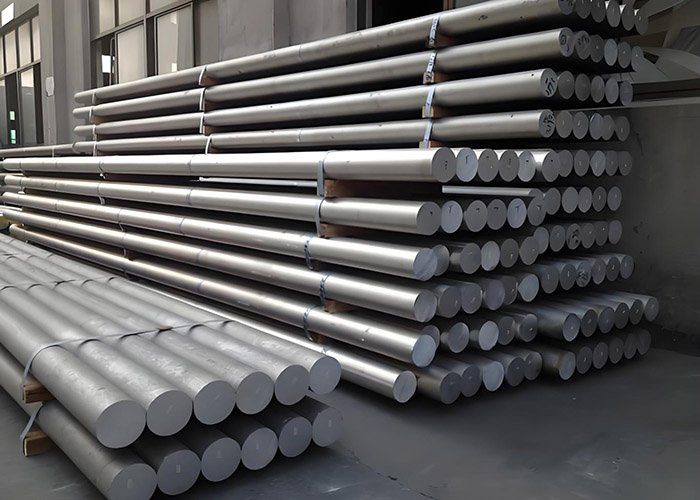
If you are working with aluminum alloy in a real project, the challenge is usually not just choosing a material grade. It is understanding how that material will behave once it becomes part of a component.
At TIPTOP Metal, we work with customers who need more than standard specifications. In many cases, questions arise around processing, dimensional stability, or how different aluminum alloys perform under specific conditions.
If you are evaluating materials or suppliers, it may be helpful to discuss your application in more detail. Based on your requirements, we can provide practical input on:
Instead of general recommendations, the focus is always on what works in your specific case.
�� If you’d like to explore this further, you can Contact Us and we’ll get back with relevant suggestions.