
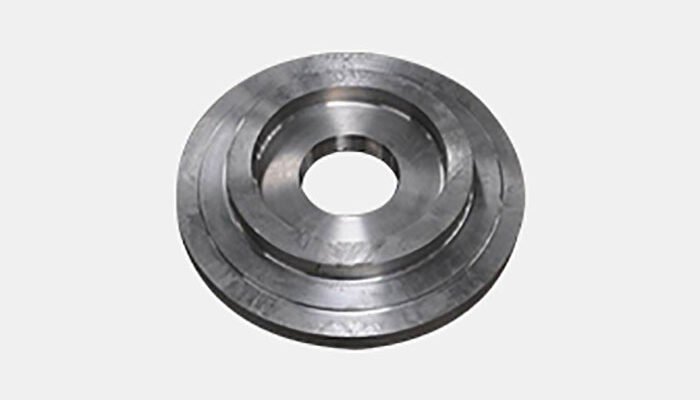
When engineers look for nickel based alloy or nickel-base alloy, they are mostly referring to materials that can sustain the performance of conventional steels, especially at high temperatures, or in highly corrosive or mechanically stressed environments.
A nickel-based alloy uses nickel as its main component and is often mixed with chromium, molybdenum, iron, and other elements in order to raise different properties. What distinguishes nickel-base alloys is their impelability to keep their strength intact and resist corrosion at the same time, even when operating under very harsh conditions.
Practically speaking, this is translated into less breakdowns, longer working life, and more reliable functioning in the industry setting.
Learning about the performance of nickel based alloy is not simply a matter of presenting data, but how the metal responds indoors of different challenging scenarios.
The capacity of nickel based super alloys to keep their strength when exposed to high temperatures is just one of their key features. In fact, contrary to pretty much all other metals which tend to get softer when heated, these alloys stay perfectly stable and solid in their structures thus being indispensable components of turbines, engines, and all such energy systems.
Thanks to the presence of metal elements such as chromium or molybdenum, nickel-base alloys are the material of a choice if you want to prevent the following:
·If you want to protect against metal
·If you want to protect against metal
·If you want to protect against metal
This is the main reason why they are widely used in the chemical industry, the maritime sector, and the energy sector.
Besides that, one of the major upsides of nickel-based alloy materials lies in their ability to resist creep and fatigue. They are keeping their mechanical properties and shape even when subjected to stress and temperature changes for a long time.
The production of nickel-based alloy castings is mainly driven by the capability to manufacture complex shapes while preserving performance characteristics.
Using casting technology, manufacturers are able to come up with complex components like turbine housings, valves, and pump parts which are almost impossible to obtain through machining of solid material.
With appropriate casting, the following goals can be achieved:
·Even microstructure
·Fewer internal defects
·Reliable mechanical properties
On the other hand, achieving good casting quality essentially relies on process control including the conditions of melting, pouring, and cooling.
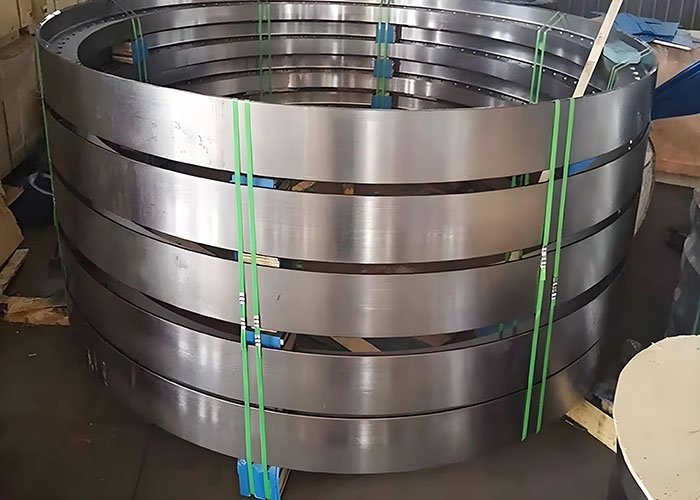
The chief concern of engineers is that of welding metallurgy and weldability of nickel base alloys
Generally speaking, the weldability of most nickel-based alloys is quite good as compared to other high-performance materials. Carrying out the welding operation properly, though, entails the following:
·Choosing suitable filler metals
·Heating well managed
·Being cautious of differing thermal expansions
Trying to weld without properly controlling the process may lead to problems such as cracking or segregation. Hence there is a strong emphasis that welding regulations be adapted to the specific type of alloy being used.
Actually, many nickel-base alloys have the advantage that they can be welded without the need for heavy post-weld heat treatment, which makes fabrication less complicated.
Nickel based super alloy belong to a class of materials designed to withstand very harsh environments.
·Gas turbines and jet engines
·Power generation systems
·High-temperature industrial equipment
Even when continually exposed to very high temperatures, these materials have been designed to retain their strength and resist oxidation.
Analyzing nickel-base alloys can best start with their composition.
·Chromium: Enhances resistance to oxidation and corrosion
·Molybdenum: Boosts resistance to localized corrosion
·Iron: Tunes strength and helps with cost control
·Aluminum/Titanium: Work as strengthening agents in superalloys
Different blends have resulted in alloys suitable for particular operating conditions rather than a universal solution.
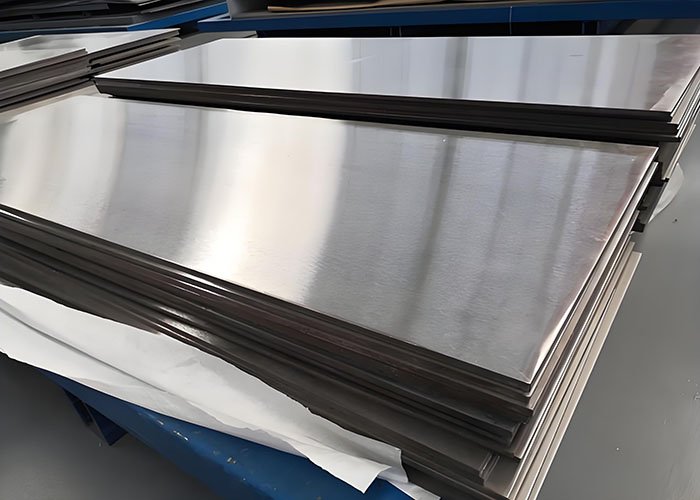
The versatility of nickel-based alloy materials is reflected in their wide range of applications.
Used in pipelines, valves, and downhole equipment exposed to corrosive environments.
Ideal for handling acids, alkalis, and high-temperature reactions.
Critical for turbine components where heat resistance and strength are essential.
Resists corrosion in seawater and harsh marine conditions.
Across these industries, the main value lies in reducing maintenance and improving reliability.
Selecting the right supplier for nickel based alloy products is essential for ensuring performance.
A reliable supplier ensures that the delivered material performs as expected in real conditions.
TIPTOP Metal focuses on supplying high-quality nickel-based alloy materials tailored to industrial applications.
The company’s approach includes:
Rather than offering generic materials, TIPTOP emphasizes matching alloy selection with actual working environments, helping customers achieve stable and reliable performance.
Despite the availability of alternative materials, nickel-base alloys continue to be widely used because they provide:
For engineers and procurement teams, these materials offer a balance between performance and reliability that is difficult to replace.