
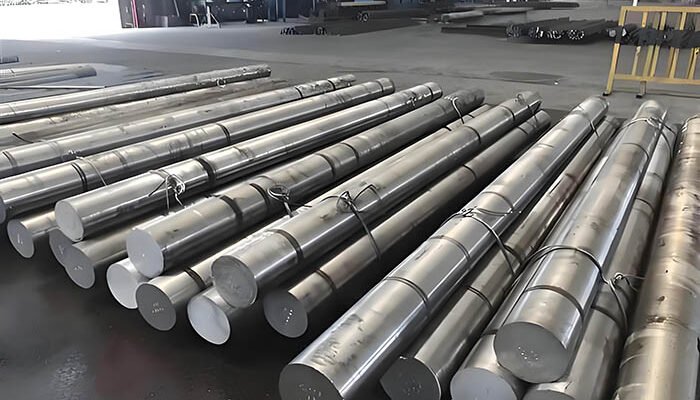
Most engineers choose hastelloy alloys or alloy c276 hastelloy looking for a material that can endure harsh chemical environments where the usual stainless steels just won’t work.
Hastelloy is a nickel-based superalloys family known for their resistance to corrosion, mainly when used with strong acids, chlorides, and oxidizing agents. The C-series of alloys, including hastelloy c 22 alloy, hastelloy c-4, and hastelloy c-2000, differ from other hitherto single-purpose alloys in that they are designed to operate efficiently across a wide variety of chemically different environments.
In real industrial systems, such a capability helps in minimizing the switching of materials, thus simplifying design and enhancing long-term reliability.
Knowing the hastelloy c composition will help you realize why it works so well.
· Nickel (Ni): Gives the alloy its overall structural stability and corrosion resistance
· Chromium (Cr): Further protects against corrosion in oxidizing environments
· Molybdenum (Mo): Shields the metal from localized attack (pitting corrosion)
· Iron (Fe): Used to balance cost and mechanical characteristics
A case in point is hastelloy c22 composition, which is high in chromium content leading to resistance to oxidizing media, while C276 is a blend that can resist corrosion in a variety of environments.
People often ask hastelloy c276 vs c22 tough choice—what would be the correct pick?
Hastelloy C 22 alloy is characterized by:
· More chromium content
· Better protection from oxidizing chemicals
· Improved resistance to localized attack
Primarily, it gets utilized where oxidizing acids or mixed chemical exposure prevail.
Alloy c276 hastelloy will be:
· Resistant to both oxidizing and reducing environments
· Suitable for systems containing chlorides
· Able to maintain performance for a long period of time in industrial environments
· For highly oxidizing media, go with C22
· For variable or unknown conditions, C276 is the better choice
This differentiation aids engineers in neither overspecifying nor underspecifying materials.
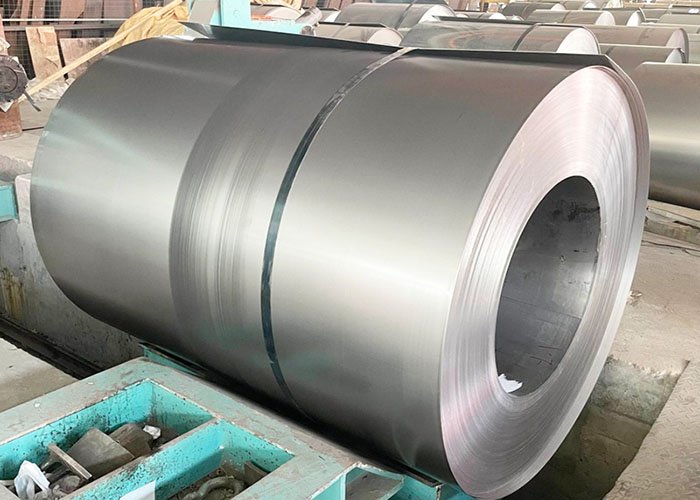
Besides C22 and C276, the other alloys in the series have their own fitting roles.
Hastelloy c-4 is meant to have a good level of stability at high temperature and to be resistant to stress corrosion cracking after welding. The material is normally used where the requirement is for thermal stability.
Hastelloy c-2000 is a merge of corrosion resistance and better behavior in sulfuric acid environments, so it works well for chemical processing that is focused on specialization.
Every alloy is aimed at a particular point of the blend of corrosion resistance and thermal performance.
There is no limit to the versatility of hastelloy c276 as seen in its availability in many forms.
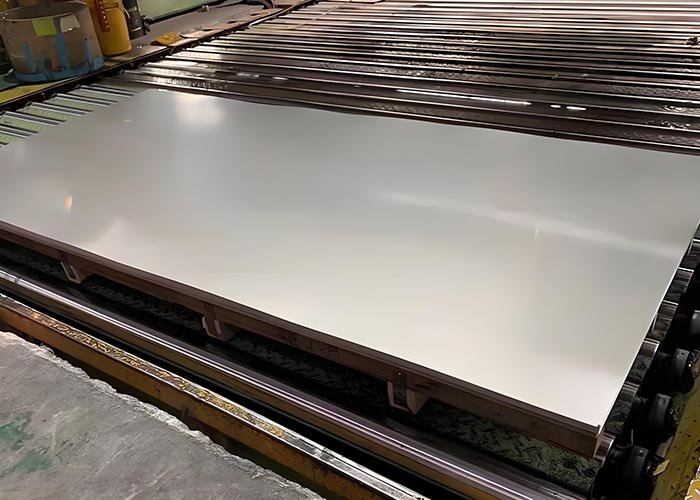
Being a material in demand, getting hold of a hastelloy c276 sheets supplier able to meet specification is the way to constant quality for manufacture and industrial use.
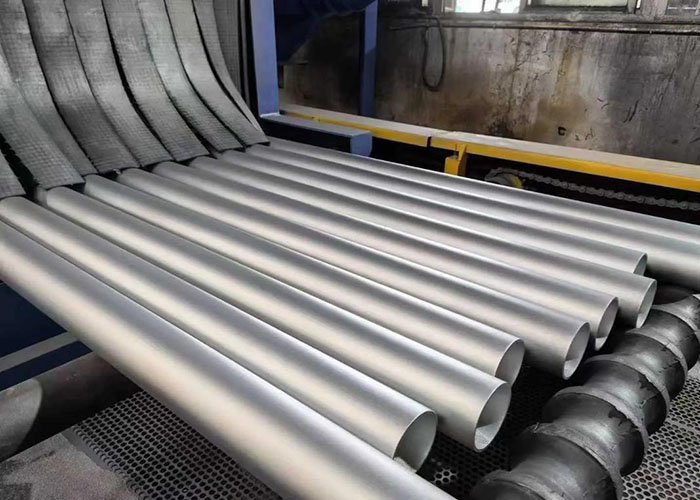
·Hastelloy c276 tubing is a component in heat exchangers and fluid transport systems
·Hastelloy c276 wire serves welding, fasteners, and precision applications
·Hastelloy c276 bolts are fastening solutions resistant to corrosion
·Hastelloy c276 springs remain elastic and functioning even in corrosive media
·Hastelloy c276 simplex basket strainers make filtration systems where corrosion resistance is a must go well These product forms reveal the alloy’s ability to be shaped to various engineering demands.
Hastelloy alloys are known for relatively good weldability among high-performance materials.
However, fabrication still requires:
This ensures that the final component retains its designed performance.
The real value of hastelloy alloys becomes clear in demanding industries.
Widely used in reactors, heat exchangers, and piping systems exposed to aggressive chemicals.
Applied in downhole tools, valves, and pipelines where corrosion resistance is critical.
Used in flue gas desulfurization (FGD) systems handling acidic gases and condensates.
Resists corrosion in chloride-rich and seawater environments.
Across these sectors, the focus is on reducing maintenance and ensuring operational stability.
TIPTOP Metal provides practical solutions for customers requiring hastelloy alloys in demanding environments.
The company focuses on:
Rather than offering generic products, TIPTOP emphasizes matching the right alloy to the right environment, helping customers improve performance and reduce risk.
Selecting the correct alloy requires understanding the operating environment.
A proper selection ensures longer service life and better cost efficiency.
Despite the availability of alternative materials, hastelloy alloys remain widely used because they offer:
For engineers, they represent a balance between performance and reliability that is difficult to replace.