
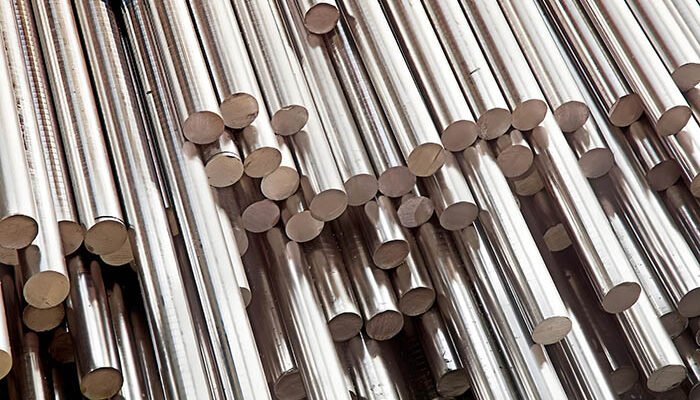
Ni-based alloys have a reputation as go-to materials in sectors that prioritize corrosion resistance and strength. One of the well-known members of this family, Monel, holds a reputation for its exceptional resistance not only to seawater but also to a variety of acids and other chemical agents.
Monel essentially is a nickel-copper alloy sustaining excellent mechanical strength alongside a marked corrosion resistance. Due to this mix of features, the material has been part of the maritime and chemical industries as well as power plants for many years.
Monel alloy are commonly asked questions in materials engineering. Simply put, Monel belongs to a class of nickel-copper alloys that were initially formulated with corrosion resistance in mind.
Monel is distinctly different from stainless steels which are chromium-dependent in gaining corrosion resistance, for Monel it is the high nickel content that is the main contributor to this property.
Typically, a Monel metal alloy is made up of over 60% nickel, with copper and other elements in smaller quantities making up the balance.
Due to such a combination of elements, Monel is extremely compatible for use in:
In fact, these are just some examples of use cases where materials have to retain their corrosion-resistant properties for extended periods of time.
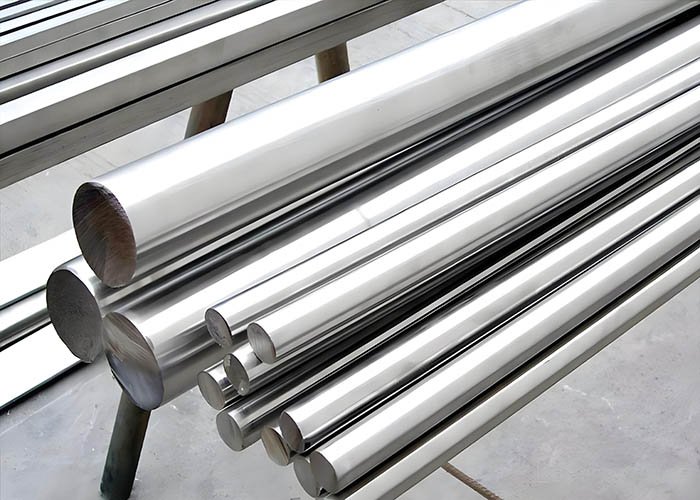
Gaining a grasp on the Monel alloy composition is key to understanding its excellent performance in aggressive corrosion environments.
The make-up of Monel metal alloy normally encompasses:
Nickel (about 60–70 %)
Copper (20–30 %)
Trace amounts of iron, manganese, and other elements
The nickel-copper configuration forms a robust microstructure that is resistant to corrosion when exposed to many environmental conditions in which ordinary steels would fail.
Also, the various grades of Monel may vary slightly in their exact Monel alloy composition to improve a specific characteristic such as strength or ductility.
One reason monel alloy properties attract attention in industry is the combination of corrosion resistance and mechanical strength.
Key properties of Monel alloys generally include:
Because of these characteristics, Monel alloys are often selected for components that must operate in harsh chemical or marine environments.
Among different grades, Monel Alloy 400 is one of the most widely used.
This grade is commonly supplied in forms such as:
Monel 400 maintains excellent resistance to seawater and steam, which is why it is frequently used in marine hardware, pump components, and heat exchanger parts.
These product forms allow manufacturers to machine or fabricate components for specific industrial applications.
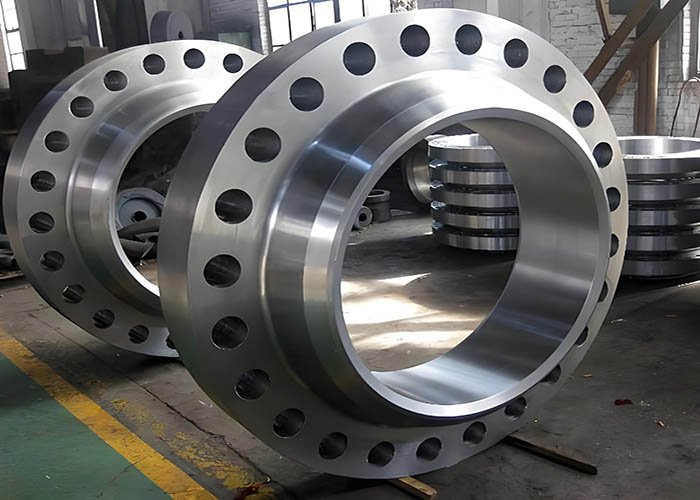
Because of its corrosion resistance, monel alloy is often used in industries where other metals may fail.
Typical applications include:
In these applications, the durability of Monel helps reduce maintenance and improve equipment reliability.
At TIPTOP Metal Forging, Monel materials can be processed into forged components or semi-finished metal products.
Forging is often used when components require improved mechanical properties compared with cast materials. The forging process compresses the metal and refines the internal structure.
Our manufacturing capability includes:
These forged materials are often supplied to equipment manufacturers who later machine them into final parts.
Although many corrosion-resistant alloys are available today, monel alloy continues to be widely used in applications where durability and corrosion resistance are critical.
The balance of nickel and copper in the monel metal alloy structure provides long-term performance in environments that can quickly damage ordinary metals.
For industries such as marine engineering and chemical processing, materials like Monel remain an important part of equipment design.
Companies such as TIPTOP Metal Forging support these industries by supplying forged materials and semi-finished alloy products used in demanding applications.