
Phone Number

+86 0538 6368027

Stainless Steel

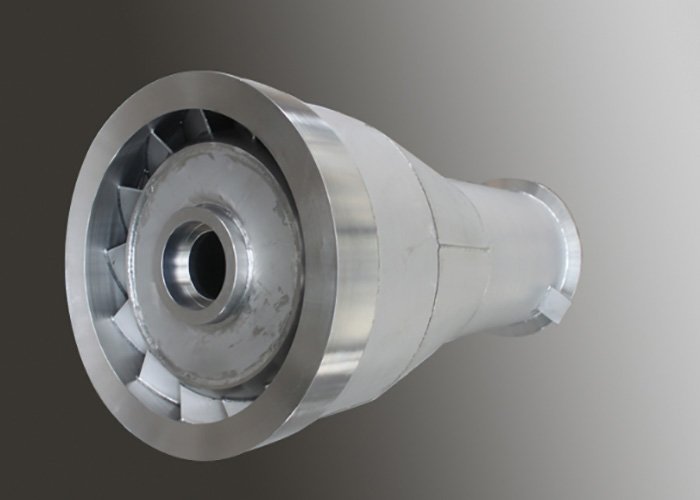
Duplex Stainless Steel Guide Vane
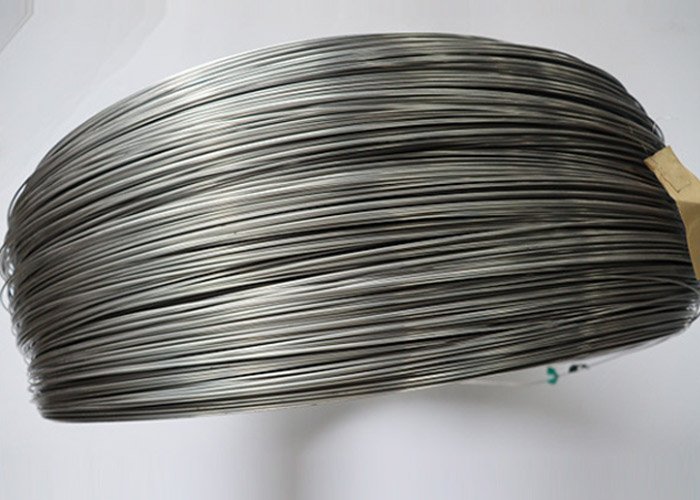
SUS321 stainless steel wire

Stainless Steel Products We Supply

At Tiptop Special Metals, we supply various stainless steel materials and semi-finished products, including bars, plates, forgings, pipes, and custom machined components to meet different industrial requirements.

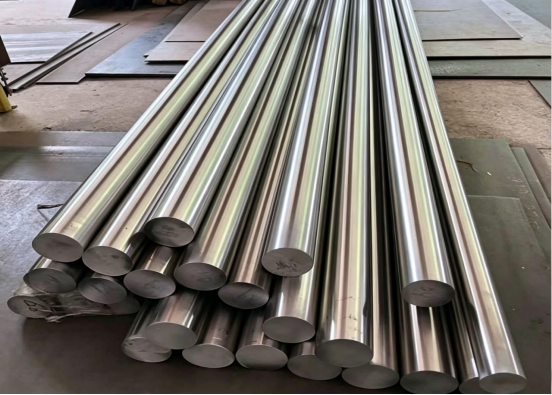
Stainless Steel Bars and Rods

Stainless steel bars are widely used for machining mechanical components such as shafts, fasteners, valve parts, and structural elements.

Stainless Steel Plates and Sheets

Stainless steel plates are commonly used in pressure vessels, chemical equipment, structural applications, and industrial machinery.

Stainless Steel Forgings

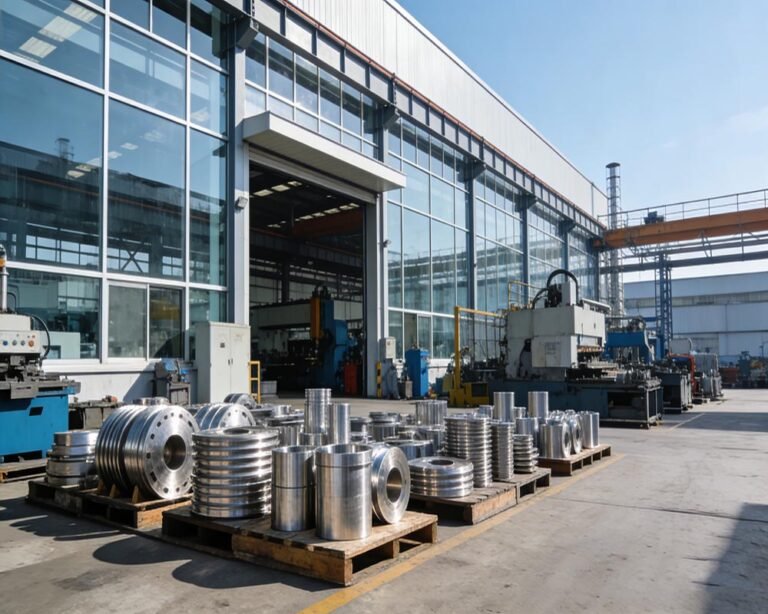
Forged stainless steel components provide excellent strength and structural integrity. Typical forged products include rings, flanges, discs, and heavy-duty mechanical parts.

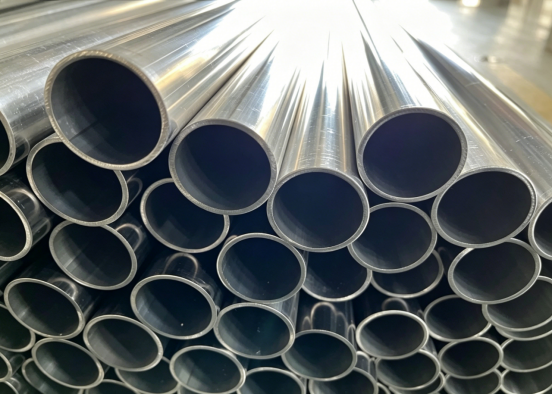
Stainless Steel Pipes and Tubes

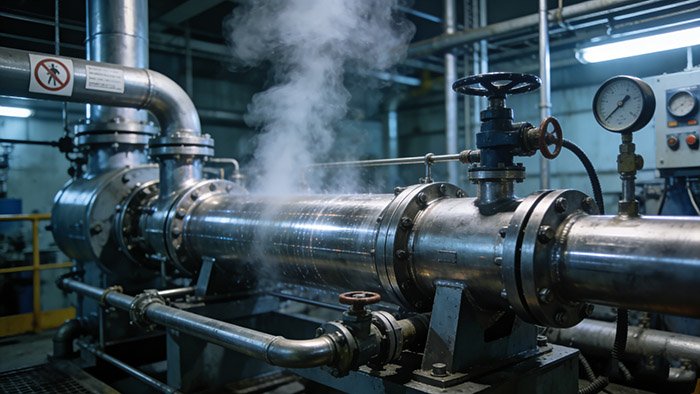
Stainless steel pipes and tubes are widely used in fluid transport systems, heat exchangers, and industrial piping networks.

Custom Stainless Steel Components

We also manufacture customized stainless steel parts based on customer drawings, including forged and precision-machined components.

TIPTOP

Advantages of Stainless Steel

Stainless steel is one of the most widely used engineering materials due to its excellent corrosion resistance, durability, and versatility. It contains chromium as a key alloying element, which forms a protective oxide layer on the surface and helps prevent corrosion in many environments.

Instructions

1

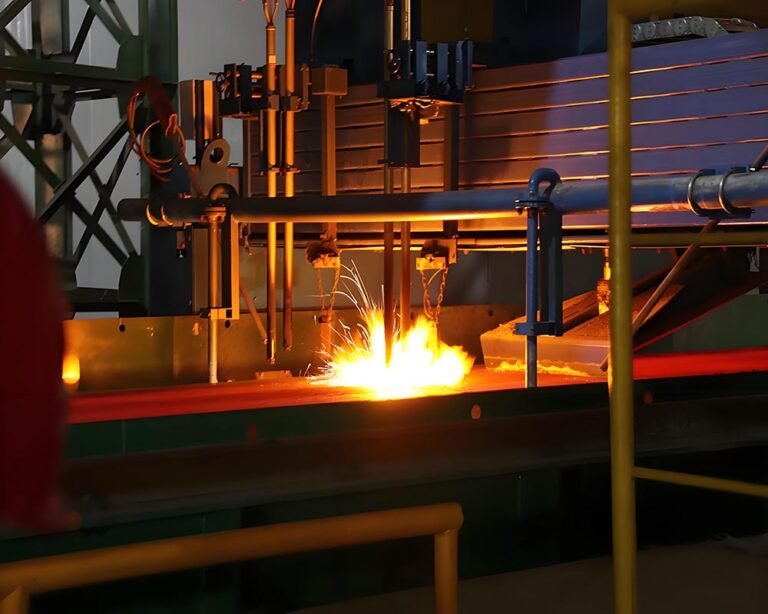
Excellent High Temperature Resistance

Certain stainless steel grades maintain good mechanical properties and oxidation resistance at elevated temperatures.

Excellent High Temperature Resistance
2

Strong Corrosion and Oxidation Resistance

The chromium content in stainless steel forms a protective oxide layer that helps resist rust and corrosion in many environments.

Strong Corrosion and Oxidation Resistance
3

Reliable Mechanical Properties

Stainless steel provides reliable strength and durability, making it suitable for structural and mechanical applications.

Special metal production line
4

Custom Manufacturing Capability

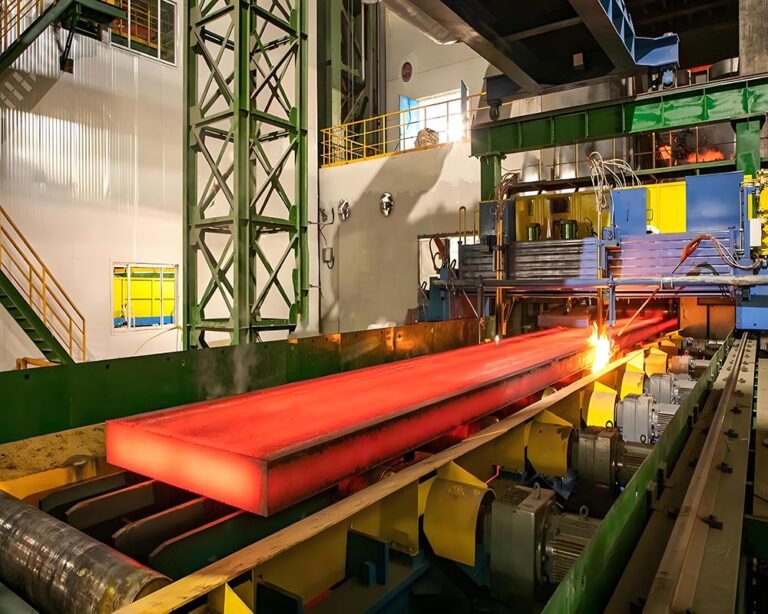
Stainless steel can be easily welded, machined, formed, and forged, which makes it highly versatile for industrial manufacturing.

Special metal production line

Common Stainless Steel Grades

Different stainless steel grades are developed to meet specific performance requirements such as corrosion resistance

Austenitic Stainless Steel (Most Common Category)

Primarily alloyed with chromium and nickel, this type offers excellent corrosion resistance, formability, and weldability, and is non-magnetic or weakly magnetic.
304 (06Cr19Ni10)
The most widely used general-purpose stainless steel, containing 18% chromium and 8% nickel (also known as 18/8 stainless steel), suitable for food processing, kitchen equipment, architectural decoration, and other common environments.
304L (00Cr19Ni10)
An ultra-low carbon version with carbon content ≤0.03%, effectively preventing intergranular corrosion after welding, ideal for equipment requiring post-weld use.
304H
A high-carbon variant that enhances high-temperature strength, commonly used in automotive exhaust systems and high-temperature piping.
316 (06Cr17Ni12Mo2)
Adds molybdenum (Mo) to the 304 base, significantly improving resistance to chloride pitting corrosion, suitable for marine environments, chemical processing equipment, and medical devices.
316L (00Cr17Ni14Mo2)
An ultra-low carbon type with superior resistance to intergranular corrosion, widely used in thick-walled welded components in petrochemical industries.
316H
A high-carbon version that enhances high-temperature performance, suitable for high-temperature and high-pressure applications.
317L
Higher molybdenum content provides better resistance to organic acids (such as acetic and formic acid) than 316L, used in highly corrosive chemical environments.
321 (0Cr18Ni10Ti)
Stabilized with titanium (Ti) to prevent the precipitation of Cr₂₃C₆, improving resistance to intergranular corrosion, suitable for high-temperature welded components.
347 (0Cr18Ni11Nb)
Stabilized with niobium (Nb) instead of titanium, with performance similar to 321 and good weldability, used in thermal power and petrochemical industries.
904L (00Cr20Ni25Mo4.5Cu)
A super austenitic stainless steel with high nickel and molybdenum content, exhibiting exceptional resistance to non-oxidizing acids such as sulfuric and phosphoric acid, but with high cost, used only in extreme corrosive environments.

Ferritic Stainless Steel

High chromium content (12–30%), no nickel, low cost, magnetic, and resistant to chloride stress corrosion.
430 (1Cr17)
A common ferritic stainless steel used in appliance housings and architectural decoration, with moderate corrosion resistance.
409/409L
A low-cost titanium-stabilized type used in automotive exhaust systems.
436L / 444
With added molybdenum or niobium to enhance pitting resistance and weldability, used in water heaters and heat exchangers.

Martensitic Stainless Steel

Can be strengthened through heat treatment, high hardness, with moderate corrosion resistance, primarily used in cutlery, bearings, etc.
410 (1Cr13)
A basic martensitic steel used for general corrosion-resistant structural components.
420 (2Cr13 / 3Cr13)
Higher carbon content increases hardness, used in surgical instruments and cutlery.
440C (9Cr18MoV)
Hardness can reach HRC57, one of the hardest stainless steels, used in precision bearings, nozzles, and valve components.

Duplex Stainless Steel

A mixed microstructure of austenite and ferrite, combining high strength with excellent corrosion resistance, especially against chloride ion corrosion.
2205 (022Cr23Ni5Mo3N)
The most common duplex steel with strong resistance to chloride ion corrosion, used in seawater desalination and chemical piping.
2507 (S32750)
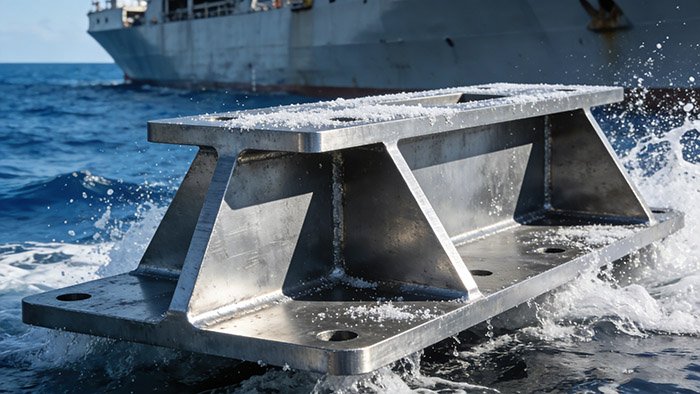
A super duplex steel with higher chromium, molybdenum, and nitrogen content, suitable for harsh marine and chemical environments.

Precipitation Hardening Stainless Steel

Achieves high strength through heat treatment while maintaining good corrosion resistance.
17-4PH (0Cr17Ni4Cu4Nb)
The most commonly used precipitation hardening steel, with strength up to HRC44, used in aerospace, offshore platforms, and other high-strength components.
630 / 631
Domestic equivalent grades, used in precision instruments and fasteners.

Other Common Grades

201 (1Cr17Mn6Ni5N)
Uses manganese to replace nickel, lower cost and higher hardness, used in architectural decoration and household hardware.
301
Strength significantly increases after cold working, used in railway vehicles and spring components.
303
With added sulfur and phosphorus to improve machinability, used in parts processed on automatic lathes.
310S (06Cr25Ni20)
High chromium and nickel content, resistant to temperatures up to 1200°C, used in furnace chambers and heat treatment equipment

Industries That Use Stainless Steel

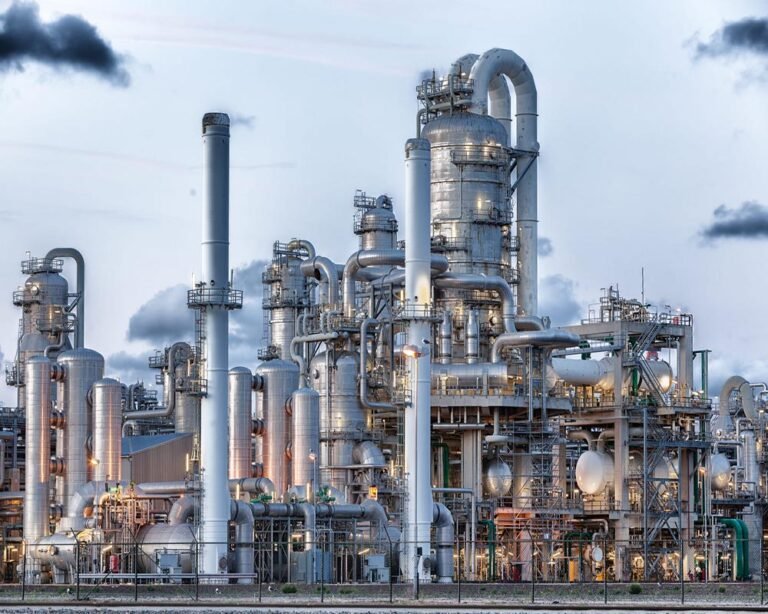
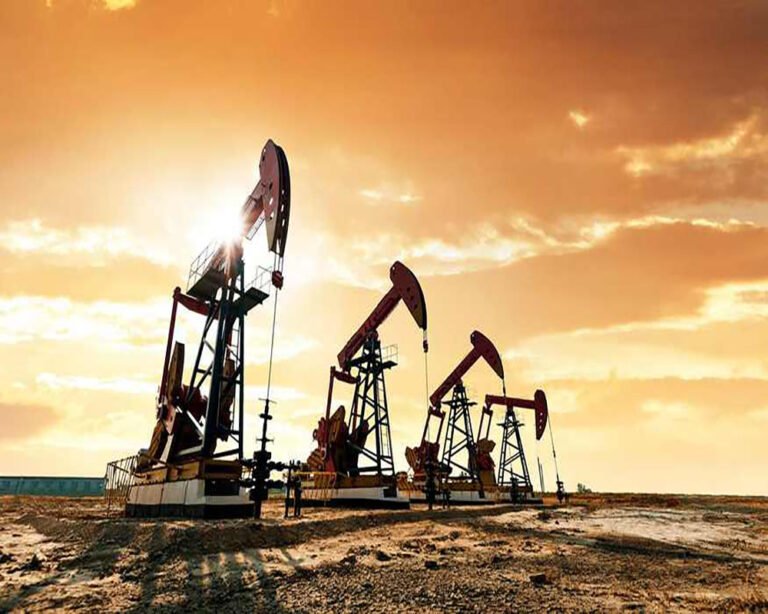
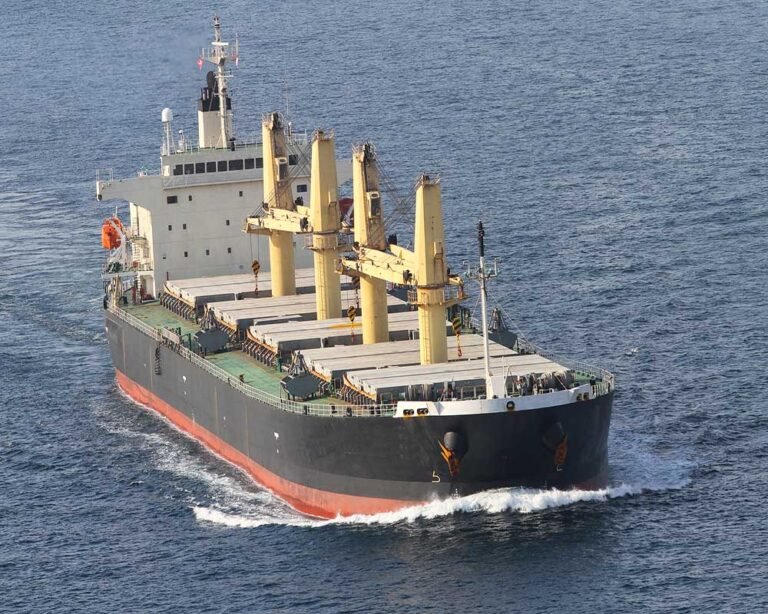
Because of its balance of strength, corrosion resistance, and ease of fabrication, stainless steel is used across a wide range of industries including aerospace, medical equipment, chemical processing, marine engineering, and oil & gas.

Frequently Asked Questions About Stainless Steel

1

What is stainless steel made of?

Stainless steel is primarily composed of iron, chromium, and small amounts of other alloying elements such as nickel, molybdenum, or titanium. The chromium content gives stainless steel its corrosion-resistant properties.

2

What are the most common stainless steel grades?

Some of the most commonly used stainless steel grades include 304, 316, 321, 410, and 17-4 PH. Each grade offers different mechanical and corrosion resistance characteristics.

3

Is stainless steel corrosion resistant?

Yes, stainless steel is known for its corrosion resistance. The chromium in the alloy forms a protective oxide layer on the surface that helps prevent rust and oxidation.

Contact Us for Stainless Steel Materials

Phone:+86 0538 6368027
Email:sales@tiptopmetal.com
If you are looking for stainless steel materials or custom forged components, our team can support your project with suitable material options.
We provide: Stainless steel bars, plates, and forgings,Custom machining and forging services,Material grade selection support,Global supply capability Feel free to contact us with your drawings or technical requirements, and we will help you find the right stainless steel solution for your application.