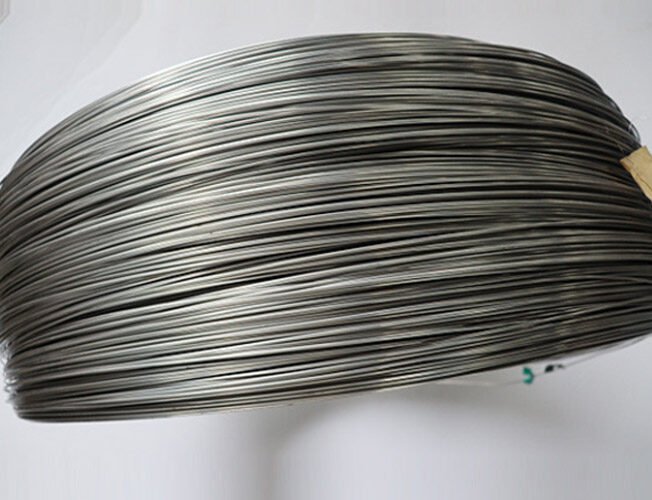
What is a SUS321 Stainless Steel Wire?
SUS321 stainless steel wire is a titanium-stabilized austenitic stainless steel wire, equal to both ASTM A276 Type 321 and UNS S32100.
This grade is widely used practically when standard 304 stainless steel proves insufficient for temperature-related problems. Titanium addition deals with carbide precipitation effectively, hence allows enhanced stability after welding and during prolonged heating.
For the manufacturers, they do not need to fret about intergranular corrosion concerns very much even if the material is utilized for temperature elevated environments.
Major Characteristics of 321 Stainless Steel Wire
Mostly, when purchasing a 321 stainless steel wire, buyers will be investing in the heat-resilience features of the wire, and not only looking at corrosion resistance.
Common attributes would be:
-Post welding intergranular corrosion resistance is good
– The structural condition remains consistent within the approximate temperature range of 427 degrees Celsius to 800 degrees Celsius
– Resistant to oxidation when being exposed to heat continuously
– Magnetic properties absent when in an annealed state
– Amenable to forming, bending, and wire drawing operations
During regular environmental conditions, the difference from 304 stainless steel wire is not significant, however, it becomes noticeable in high-temperature applications.
Chemical Composition of SUS321 Wire
The composition of SUS321 stainless steel wire follows standard austenitic stainless steel ranges with titanium stabilization.
Chromium (Cr): 17.0 – 19.0%
Nickel (Ni): 9.0 – 12.0%
Carbon (C): ≤ 0.08%
Titanium (Ti): ≥ 5 × C
Manganese (Mn): ≤ 2.0%
Silicon (Si): ≤ 1.0%
Phosphorus (P): ≤ 0.045%
Sulfur (S): ≤ 0.030%
The titanium content is the key difference, as it stabilizes the microstructure during heating.
Mechanical Properties of 321 Stainless Steel Wire
In the solution annealed condition, SUS321 wire shows balanced mechanical performance.
Tensile strength: around 515 MPa or higher
Yield strength: ≥ 205 MPa
Elongation: typically ≥ 30%
Density: about 7.9 g/cm³
Actual values depend on cold working level and final processing condition.
Available Sizes and Supply Conditions
We supply 321 stainless steel wire in different specifications based on processing needs:
Diameter range: from fine wire to thicker wire (customized)
Surface: bright, pickled, or coated
Condition: annealed, cold drawn, or spring temper
Supply form: coils, spools, or straight lengths
For most customers, the delivery condition is adjusted depending on whether the wire will be further processed or directly used.
Applications of SUS321 Stainless Steel Wire
This material is mainly used where heat resistance and structural stability are both required.
Common uses include:
Furnace components and heat treatment fixtures
Wire mesh belts and high-temperature fasteners
Exhaust systems and expansion joints
Chemical processing equipment
Power plant and cement kiln components
In many cases, it is chosen because post-weld heat treatment is not practical.
SUS321 vs 304 Stainless Steel Wire
This is one of the most common questions from buyers.
304 stainless steel wire is suitable for general-purpose use
321 stainless steel wire is preferred for high-temperature or welded structures
The main difference lies in the titanium addition, which prevents chromium carbide formation during heating.
If your application does not involve heat, 304 may be sufficient.
If temperature or welding stability matters, 321 becomes a safer option.
Manufacturing Process and Quality Control
The production of stainless steel wire usually includes melting, hot rolling, wire drawing, and heat treatment.
During production, we typically control:
Chemical composition through spectrometer analysis
Diameter tolerance and surface condition after drawing
Mechanical properties based on customer requirements
Additional inspections such as tensile testing or surface inspection can be arranged before shipment.
Product Forms Available
In addition to stainless steel wire, SUS321 material can also be supplied as:
Stainless steel bars and rods
Plates and sheets
Tubes and pipes
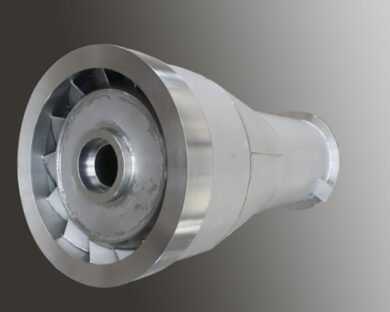
Forged components
This helps customers source different forms of the same material for consistent performance.
Why Choose SUS321 Stainless Steel Wire?
From a practical standpoint, this material is not used everywhere—but where it is used, it solves a specific problem.
If your application involves:
Elevated temperatures
Welding without post-treatment
Long-term thermal exposure
Then SUS321 stainless steel wire is usually a more reliable choice than standard grades.