Phone Number

+86 0538 6368027

Super austenitic stainless steel

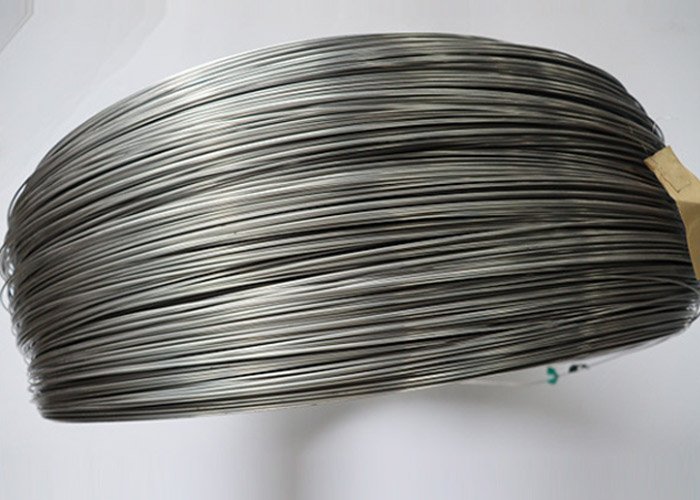
SUS321 stainless steel wire

Super Austenitic Stainless Steel Products

Super austenitic stainless steels are typically supplied in forms such as bars, plates, forgings, pipes, and custom components to meet different industrial manufacturing requirements.

Super Austenitic Stainless Steel Bars

Bars are commonly used for machining high-performance components such as valves, shafts, and mechanical parts that require excellent corrosion resistance.

Super Austenitic Stainless Steel Plates and Sheets

Plates and sheets are widely used in pressure vessels, heat exchangers, storage tanks, and structural equipment operating in aggressive chemical environments.

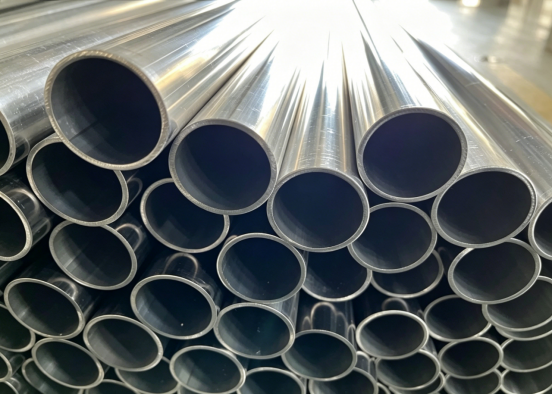
Super Austenitic Stainless Steel Pipes and Tubes

Pipes and tubes are commonly used in chemical processing systems, offshore pipelines, and industrial heat exchanger equipment.

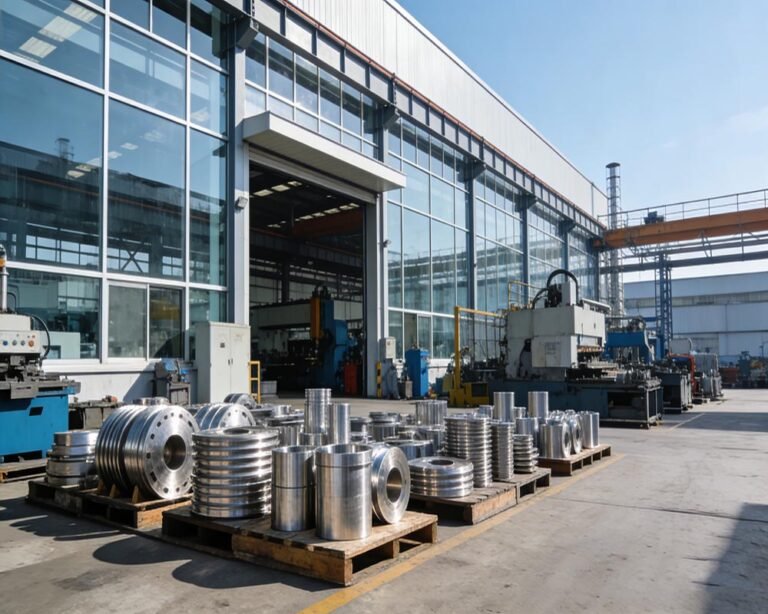
Super Austenitic Stainless Steel Forgings

Forged components provide enhanced mechanical strength and structural integrity. Typical products include forged rings, flanges, discs, and heavy-duty mechanical parts.

Custom Super Austenitic Stainless Steel Components

We also manufacture customized components based on customer drawings or technical specifications for specialized industrial applications.


TIPTOP

Advantages of Super Austenitic Stainless Steel

Super austenitic stainless steel refers to a group of highly alloyed stainless steels designed to provide superior corrosion resistance, especially in aggressive environments containing chlorides, acids, and high temperatures. Compared with conventional austenitic stainless steels such as 304 or 316, super austenitic grades contain higher levels of chromium, nickel, molybdenum, and nitrogen to significantly enhance their corrosion resistance and mechanical performance.

Instructions

1

Exceptional Corrosion Resistance

Due to their high chromium, nickel, and molybdenum content, these alloys offer outstanding resistance to pitting and crevice corrosion, particularly in chloride-containing environments.

Excellent High Temperature Resistance
2

Resistance to Stress Corrosion Cracking

Super austenitic grades perform well in environments that may cause stress corrosion cracking in conventional stainless steels.

Strong Corrosion and Oxidation Resistance
3

Excellent Performance in Acidic Environments

These alloys maintain good stability and corrosion resistance in environments containing sulfuric acid, phosphoric acid, and other aggressive chemicals.

Special metal production line
4

High Temperature Stability

Super austenitic stainless steels maintain good mechanical strength and corrosion resistance at elevated temperatures.

Special metal production line

Common Super Austenitic Stainless Steel Grades

Different grades of super austenitic stainless steel are designed to meet specific performance requirements.

Basic Chromium-Nickel Series (300 Series) – Mainstream Applications

  • 304 (06Cr19Ni10)‌: The most widely used austenitic stainless steel, containing 18% chromium and 8% nickel (known as “18/8” stainless steel). It offers excellent corrosion resistance and good processability, making it extensively used in kitchenware, sinks, building components, and food processing equipment. The new Chinese standard designation is 06Cr19Ni10, and this grade accounts for over 70% of total stainless steel production.
  • 304L (022Cr19Ni10)‌: An ultra-low carbon version with carbon content ≤0.03%, providing enhanced resistance to intergranular corrosion. It is suitable for welded structures that will not undergo post-weld heat treatment.
  • 316 (06Cr17Ni12Mo2)‌: Based on 304 with the addition of 2–3% molybdenum, significantly improving resistance to pitting and chloride ion corrosion. It is commonly used in marine environments, pharmaceutical, and chemical processing equipment.
  • 316L (022Cr17Ni12Mo2)‌: A low-carbon variant of 316 with superior corrosion resistance, frequently used in high-demand applications such as medical implants and nuclear power plant piping.
  • 302 (1Cr18Ni9)‌: Composition is similar to 304 but with slightly higher carbon content, resulting in higher strength after cold working. It is used in springs, fasteners, and other load-bearing components.
  • 301 (1Cr17Ni7)‌: Slightly lower chromium and nickel content than 304; cold working readily induces martensitic transformation, leading to significant strengthening. It is used in railway vehicle structures, springs, and similar applications.

Grades 304 and 316 are the two most essential in civilian and industrial applications, representing general-purpose and enhanced corrosion-resistant types, respectively.

High-Temperature and Enhanced Corrosion-Resistant Grades

  • 321 (0Cr18Ni11Ti)‌: Titanium (Ti) is added to stabilize carbon and prevent intergranular corrosion during welding. Suitable for high-temperature welded components such as exhaust pipes and boiler tubes.
  • 347 (0Cr18Ni11Nb)‌: Niobium (Nb) is used instead of titanium, serving a similar purpose but offering better stability. Used in high-temperature environments such as aerospace engine components.
  • 309S (0Cr23Ni13)‌: High chromium and nickel content provide strong oxidation resistance, allowing long-term use at temperatures up to 980°C. Commonly used in furnace chambers and burners.
  • 310S (06Cr25Ni20)‌: Capable of withstanding temperatures up to 1150°C, it is a typical heat-resistant stainless steel, used in high-temperature furnace tubes and heat treatment equipment.

These grades are primarily used in high-temperature service conditions, offering combined resistance to oxidation and creep.

Economical Chromium-Manganese Series (200 Series)

Manganese (Mn) and nitrogen (N) partially replace nickel to reduce cost, making these grades suitable for applications with moderate corrosion resistance requirements.

  • 201 (1Cr17Mn6Ni5N)‌: A common cost-effective stainless steel used in decorative tubes, elevator panels, and outdoor railings. However, its corrosion resistance is inferior to 304, and it is prone to rusting.
  • 202 (1Cr18Mn8Ni5N)‌: Higher manganese content than 201, with good cold workability, used in household hardware and cutlery.
  • QN1803 / J1 / J4‌: Domestic alternative grades widely used in construction markets, offering low cost. However, their corrosion performance in humid environments should be carefully evaluated.

The 200 series is suitable for budget-conscious applications in non-severe corrosive environments.

Special-Purpose Austenitic Stainless Steels

  • 904L (00Cr20Ni25Mo4.5Cu)‌: A high-alloy super-austenitic stainless steel containing molybdenum and copper, offering excellent resistance to strong acids such as sulfuric and phosphoric acid. Used in chemical processing and flue gas desulfurization equipment.
  • 654SMO / 254SMO‌: Super-austenitic steels with high molybdenum and nitrogen content, achieving a pitting resistance equivalent (PREN) above 40. Suitable for extreme corrosive environments such as seawater desalination plants and offshore platforms.
  • 305 (S30500)‌: A high-nickel stainless steel with enhanced non-magnetic properties and cold workability, used in electronic instruments and precision measuring devices.

Although these high-end grades are costly, they are indispensable in specific industrial applications.


Industries That Use Super Austenitic Stainless Steel

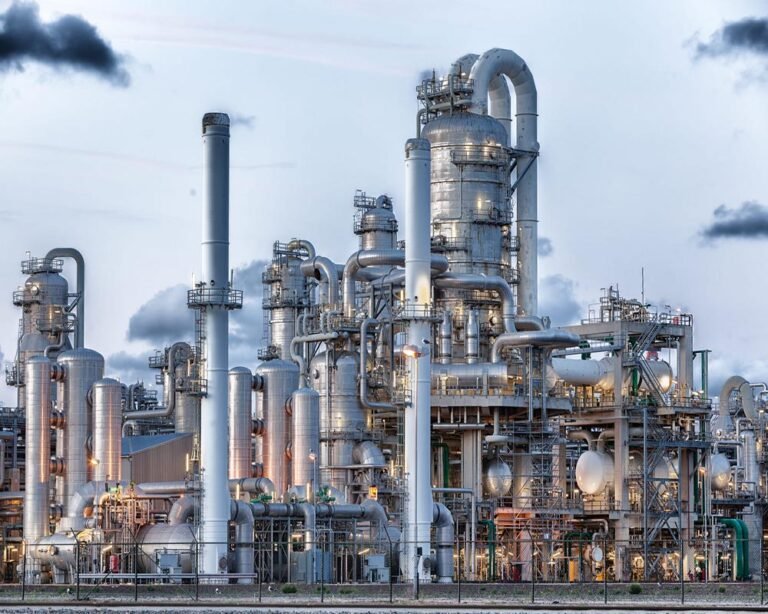
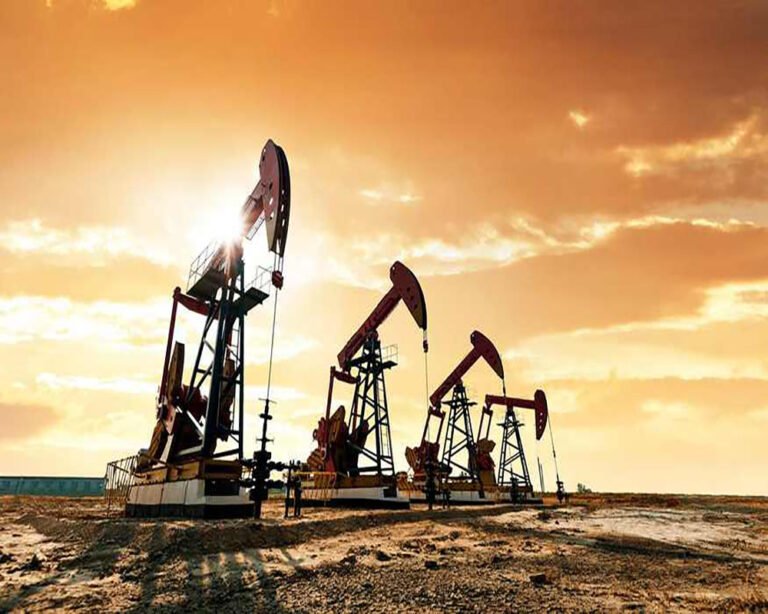
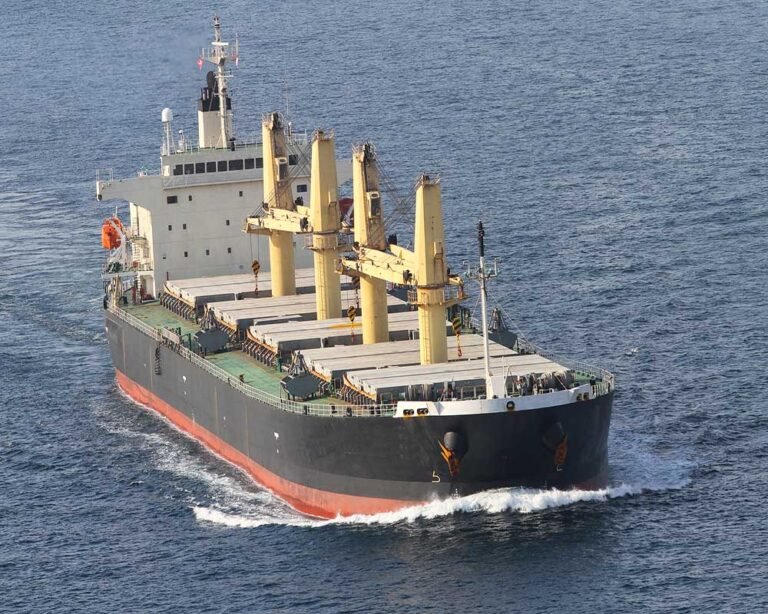
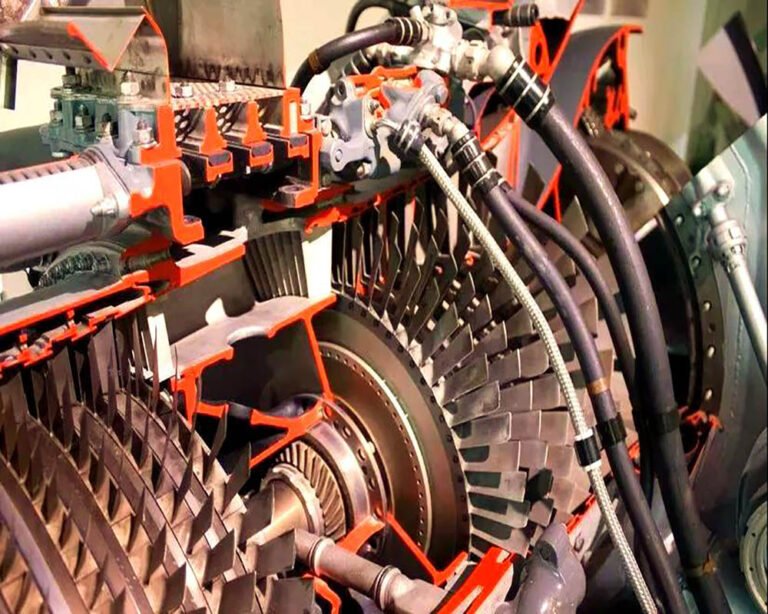
Because of these properties, super austenitic stainless steels are widely used in industries that require exceptional resistance to pitting corrosion, crevice corrosion, and stress corrosion cracking. These materials are commonly applied in chemical processing, marine engineering, oil and gas production, offshore equipment, and power generation systems.

Frequently Asked Questions About Super Austenitic Stainless Steel

1

How is super austenitic stainless steel different from 316 stainless steel?

Super austenitic stainless steels contain higher levels of alloying elements such as molybdenum and nickel, which significantly improve corrosion resistance, especially in chloride environments.

2

Can super austenitic stainless steel be forged?

Yes. Super austenitic stainless steel can be forged into components such as rings, flanges, shafts, and other industrial parts.

3

How is super austenitic stainless steel different from 316 stainless steel?

Super austenitic stainless steels contain higher levels of alloying elements such as molybdenum and nickel, which significantly improve corrosion resistance, especially in chloride environments.

Contact Us for Super Austenitic Stainless Steel Materials

Phone:+86 0538 6368027
Email:sales@tiptopmetal.com
If you are looking for high-quality super austenitic stainless steel materials or custom components, our team can help you select the most suitable alloy grade and product form for your application.
We supply super austenitic stainless steel in bars, plates, tubes, and forgings for demanding industrial applications. Feel free to contact us for technical support or to request a quotation.