
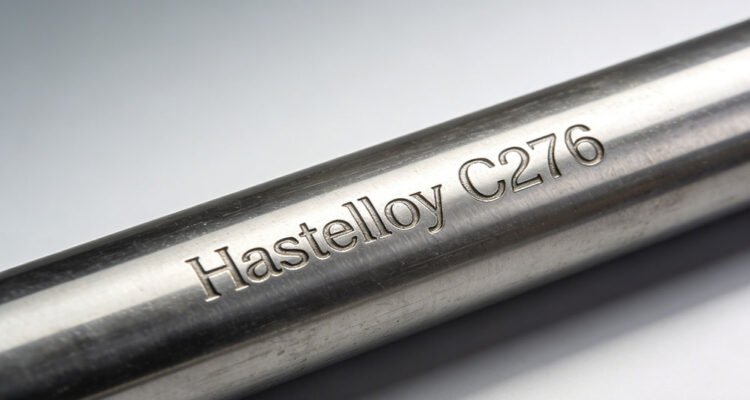
In many chemical and energy projects, material failure does not happen suddenly. It starts with small corrosion points, stress cracking, or surface degradation that gradually reduce system reliability.
That is usually the moment when engineers begin looking into Hastelloy metal.
Hastelloy metal is not chosen because it is “high-end.” It is chosen because in certain environments, common stainless steel simply does not last long enough. The difference becomes clear in strong acids, mixed chemical streams, or elevated temperature conditions where stability matters more than initial material cost.
At TIPTOP Metal, we supply Hastelloy material based on application requirements, not just alloy names. Understanding how it behaves in actual service conditions is more important than listing properties.
When customers ask what is Hastelloy, the simplest answer is this: it is a nickel-based alloy family developed for corrosion resistance and high-temperature strength.
But in practice, Hastelloy metal is usually selected for very specific situations:
Chemical reactors exposed to aggressive media.
High-temperature process lines.
Pressure systems where corrosion and stress exist at the same time.
Hastelloy material performs well because of its alloy design. Nickel provides structural stability. Chromium improves oxidation resistance. Molybdenum strengthens resistance to localized corrosion such as pitting and crevice attack.
The exact Hastelloy composition varies by grade, and that variation is what determines whether a component lasts five years or fifteen.
Instead of looking at alloy percentages alone, engineers usually evaluate Hastelloy chemical composition based on service environment.
For example, in strong reducing acids, higher molybdenum content is beneficial. In oxidizing environments, chromium becomes more important. Some grades balance both to provide wider corrosion resistance.
This is why selecting Hastelloy material should always start with process data:
At TIPTOP Metal, we verify Hastelloy composition through chemical analysis before production. Material traceability is maintained from raw stock to finished component. It is a basic requirement, especially for chemical processing and energy projects.
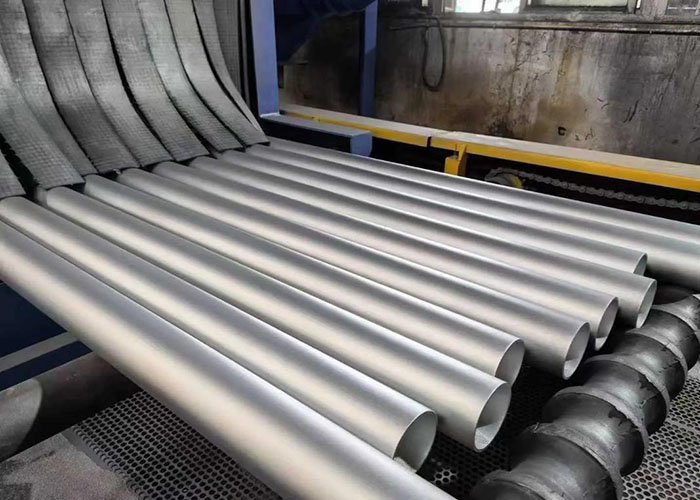
In pipeline systems, Hastelloy pipe and Hastelloy tubing are commonly used where corrosion allowance must be minimized. Because the alloy resists localized corrosion, wall thickness reduction over time is slower compared to many stainless grades.
Connection integrity is equally important. Hastelloy fittings and Hastelloy pipe fittings must match the base material in both composition and mechanical properties. Mismatched fittings can create weak points in otherwise stable systems.
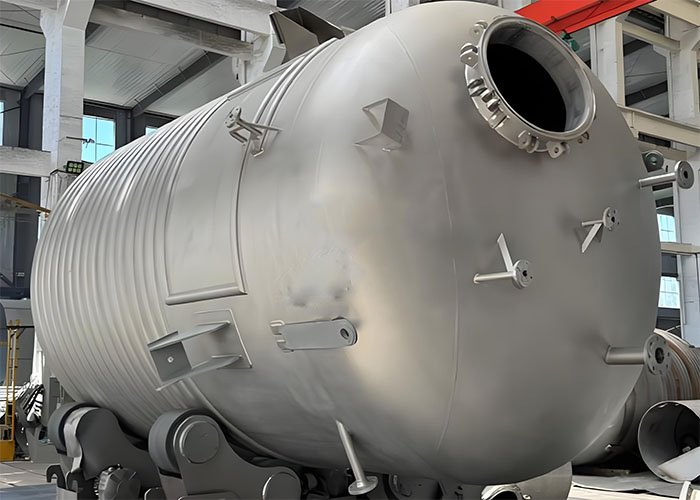
In chemical plants, Hastelloy reactor shells and internal components operate under combined heat and chemical stress. Here, Hastelloy metal offers structural stability that reduces unexpected shutdowns.
Flow control equipment is another area where material reliability matters. A Hastelloy valve is typically used when standard alloy valves show premature corrosion or sealing surface damage. In these conditions, alloy performance directly affects maintenance intervals.
Hastelloy welding requires attention. The material is weldable, but it is not forgiving.
Surface cleanliness must be controlled. Heat input should be managed carefully to avoid microstructural changes that reduce corrosion resistance. Filler material selection must match the base Hastelloy composition.
Machining is similar. Hastelloy metal work-hardens quickly, so tooling condition and cutting parameters directly influence dimensional accuracy.
At TIPTOP Metal, fabrication is handled according to documented procedures. Welding qualifications and inspection steps are part of normal production, not optional extras.
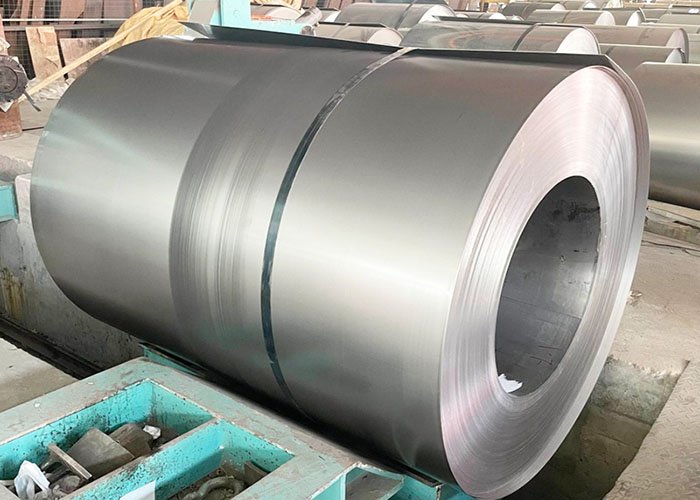
TIPTOP Metal supplies Hastelloy metal in forms including:
Hastelloy pipe and Hastelloy tubing for pressure systems.
Hastelloy fittings and Hastelloy pipe fittings for chemical pipelines.
Hastelloy valve components for corrosion-resistant flow control.
Custom Hastelloy reactor parts based on drawings.
Our focus is straightforward: stable chemical composition, controlled production, and inspection before shipment. We do not promote Hastelloy material as a universal solution. Instead, we confirm whether it fits the operating environment technically and economically.
Long-term cooperation depends on realistic performance, not exaggerated specifications.
Hastelloy metal is often compared with high-alloy stainless steels. In some cases, stainless steel is sufficient and more cost-effective. In other cases, especially where chloride stress corrosion cracking or mixed acid exposure exists, Hastelloy material provides measurable advantages.
The key is matching Hastelloy composition to real working conditions.
Before selecting Hastelloy pipe, Hastelloy tubing or Hastelloy reactor components, it is important to review:
A correct decision at the beginning reduces replacement frequency and unexpected downtime.
Hastelloy metal is not selected for branding reasons. It is selected when corrosion resistance and temperature stability must work together over time.
From Hastelloy pipe systems to Hastelloy valve components and Hastelloy reactor structures, performance depends on alloy composition, fabrication quality and installation conditions.
At TIPTOP Metal, we supply Hastelloy material with controlled Hastelloy chemical composition, documented production processes and realistic technical communication.
If your project involves aggressive media or elevated temperatures, we can evaluate whether Hastelloy metal is the right solution based on your operating data.